Welcome to our webshop
Organic flower bulbs
Clean Bulbs - Sustainable Bloomers per Season
At Bloemoloog.nl you will find a carefully selected range of organic flower bulbs: completely free of chemicals and good for bees, soil and biodiversity.
Our selection is seasonal. Some varieties are temporarily sold out or only available during certain months. Fortunately, many favorites return every year!
✅ View the flower bulbs per season below:
Spring bloomers: Pre-order from June - delivery in September.
Summer bloomers: Order now - delivery from March.
Autumn bloomers: Order now - delivery from March. (Organic Crocus sativus - saffron crocus available from September.)
Click on the season category to browse directly or scroll down for the full overview.
Collections
-
Spring-flowering
bulbsSpring flowering bulbs
Organic spring bulbs and cormsSpring-flowering bulbs and corms bring colour after winter;...
-
Summer-flowering
bulbsSummer flowering bulbs
Organic summer bulbs, tubers and perennialsFrom dahlias and gladioli to lilies, peonies...
-
Autumn-flowering
bulbsAutumn flowering bulbs
In the autumn flowering collection, you can find organically grown bulbs, tubers,...
Spring-flowering bulbs
Organic spring bulbs and corms
Spring-flowering bulbs and corms bring colour after winter; some continue into early summer. Plant them in autumn. Bloemoloog offers tulips, daffodils, crocuses, hyacinths, ornamental onions and naturalising woodland bulbs. They fit between later-emerging perennials, in pots and in natural plantings. Consider flowering time and your garden's conditions.
From the first flowers to summer alliums
Snowdrops and early crocuses open the season. Daffodils, hyacinths and tulips follow, with ornamental onions and camassias adding height later. Combining flowering periods extends the display. Exact months depend on the variety and weather. Compare flowering time, height and colour on each product page.
Choosing a position
Many tulips, crocuses, hyacinths and ornamental onions prefer sunshine and soil that drains excess water. Snowdrops and bluebells often suit partial shade under deciduous trees, with spring light followed by summer shade. Requirements vary within each genus. For moister soil, consider Camassia and summer snowflake, Leucojum aestivum. Moist does not mean permanently waterlogged: check product advice, particularly for heavy clay.
Bulbs for bees and other pollinators
Early flowers can provide food when little else is flowering. Choose different varieties with accessible nectar or pollen and stagger flowering times. Crocuses, snowdrops and later many ornamental onions are useful additions. Densely double flowers are often less accessible than open flowers. Combine bulbs with later-flowering perennials to continue providing flowers beyond spring.
Our organic growers
Bloemoloog sells only organically grown bulbs from certified growers. We work with growers in areas including North Holland, South Holland and Flevoland. Both Bloemoloog and our organic growers are inspected under the organic certification system. Healthy soil, suitable varieties and careful cultivation matter. Organic cultivation does not make bulbs immune to disease; choosing an appropriate position remains important.
When and how to plant
Plant in autumn, preferably from October, while soil is neither frozen nor waterlogged. Some varieties can be planted as late as January, but do not store bulbs unnecessarily. Follow product instructions for depth, spacing and preparation. A common guideline is a depth of two to three times the bulb's height. Pots need drainage holes. Water after planting if necessary and prevent prolonged drying during growth.
After flowering and naturalising
Let foliage yellow and die naturally so bulbs can replenish reserves. Remove spent flowers to limit unwanted seeds, or let seed heads ripen if you want self-seeding. In grass, wait until foliage has died before mowing. Many daffodils, crocuses and woodland bulbs can return or multiply in a suitable position; not all garden tulips do so reliably. Explore our naturalising bulbs for lasting plantings.
Storing bulbs
Open the delivery box and check bulbs on arrival. Plant promptly according to the variety's advice; small bulbs can dry out in prolonged storage. If you must wait briefly, use a cool, dry, ventilated place. Bulbs lifted after foliage has died should first dry, then be stored healthy, dry, airy and protected from mice until planting time. Not every variety needs annual lifting.
Ordering and pre-orders
Spring bulbs are generally available from June to January, while stocks last. Pre-order your selection ahead of deliveries starting in mid-September. In-stock items are dispatched within 1–3 working days; current product information takes precedence. In autumn, select loose bulbs from our crates at markets and events too. We are happy to help with combinations and growing positions.
Frequently asked questions
When should I plant spring-flowering bulbs?
Usually in autumn. Exact timing and planting depth vary by species.
Can I combine different bulbs?
Yes. Match growing conditions and compare flowering times for simultaneous blooms or a longer season.
Can I remove leaves straight after flowering?
No. Keep green leaves until they die naturally so bulbs can build reserves.
-
Organic Allium 'Cowanii' - White ornamental onion | 10 pcs.
Regular price 64,20 krRegular priceUnit price 6,42 kr eachSale price 64,20 kr -
Organic Allium 'Gladiator' - Giant ornamental onion
Regular price 51,20 krRegular priceSale price 51,20 kr -
Organic Allium 'Mount Everest' & 'Purple Sensation' mix | 6 pcs.
Regular price 128,96 krRegular priceUnit price 21,49 kr eachSale price 128,96 kr -
Organic Allium 'Mount Everest' - White ornamental onion | 3 pcs.
Regular price 77,65 krRegular priceUnit price 25,88 kr eachSale price 77,65 kr -
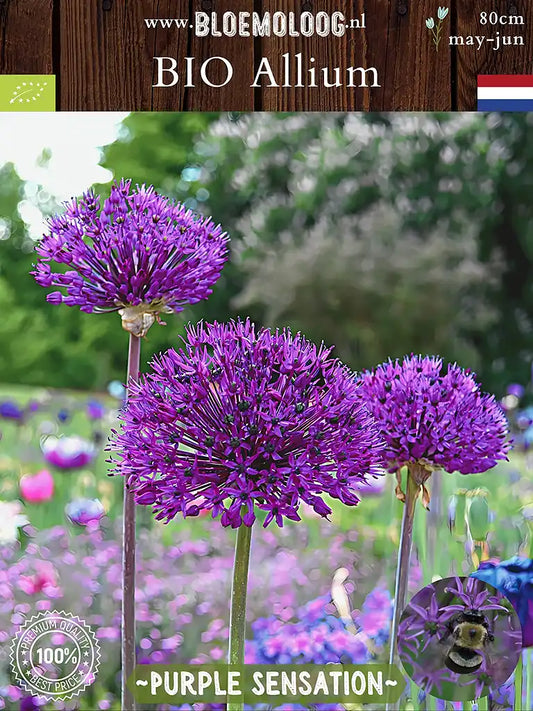
Organic Allium 'Purple Sensation' - ornamental onion | 5 pcs.
Regular price 77,65 krRegular priceUnit price 15,53 kr eachSale price 77,65 kr -
Organic Allium 'Purple Sensation' XL - ornamental onion | 3 pcs.
Regular price 64,65 krRegular priceUnit price 21,55 kr eachSale price 64,65 kr
Summer-flowering bulbs
Organic summer bulbs, tubers and perennials
From dahlias and gladioli to lilies, peonies and lucky clover: each brings colour at its own time. The range includes bulbs, tubers, rhizomes and perennials with different care needs. Some flower as spring turns to summer, others into autumn. Check each product's flowering time, height and position to suit your garden.
Which summer flower to choose?
Dahlias offer many flower shapes for borders and bouquets. Gladioli add vertical accents and make cut flowers. Lilies have large blooms, with scent varying by type. Peonies usually flower earlier and can stay in a suitable position for years. Canna combines striking foliage with summer flowers; Zantedeschia, or calla, has elegant spathes around its flower spike. Lucky clover, Oxalis tetraphylla ‘Iron Cross’, also suits pots. Not every product is available every season.
Spring planting and frost
Many summer bulbs and tubers are planted from March to June, but outdoor timing depends on the plant and temperature. Tender dahlias should go outside permanently only after night frost risk has passed, often around mid-May depending on location. Hardy lilies and perennials have different planting times. Follow product depth and spacing instructions: dahlia root tubers, lily bulbs and peony roots are planted differently.
Starting indoors in good light
Many tender tubers can be started in pots from March in a light, frost-free place. Use airy compost with good drainage. Water sparingly at first; dormant dahlia tubers must not remain wet. Water needs increase as roots and shoots develop. Acclimatise plants gradually to outdoor air and sun before planting out. Moisten a dry root ball if needed, but do not routinely soak every bulb or tuber for hours.
Sun, soil and containers
Many summer flowers prefer a sunny, sheltered position and fertile, freely draining soil. Some tolerate partial shade; check the chosen plant. Generous pots with drainage holes prevent standing water around roots. Pots dry faster than garden soil and need more frequent checks during growth. Install supports for tall dahlias or gladioli early to avoid damaging roots or tubers later.
Care for a long flowering season
Water adequately in dry spells according to the plant and soil. Apply organic feed as directed; more is not always better. Regular cutting and deadheading encourage further flowers in many dahlias, but not every summer plant responds the same way. Leave green foliage long enough for bulbs and tubers to replenish reserves. Do not automatically cut every plant to the ground in autumn: some stems and seed heads remain valuable through winter.
Hardy or tender?
Dahlias and many cannas and callas need protection from winter cold. For safe storage, lift tender tubers before severe frost and follow variety advice for cool, frost-free, ventilated storage, protected from drying and rot. Gladiolus hardiness varies by type too. Many lilies, peonies and other perennials can remain outdoors in suitable positions. Winter wet can matter as much as temperature; follow the specific overwintering advice.
Summer flowers for bees
An organically grown flower is not equally accessible to every insect. Open single dahlias generally give pollinators better access than densely double flowers. Combine flowering periods and suitable perennials to extend nectar or pollen availability. Each product describes its individual characteristics.
Organically grown by our growers
Bloemoloog sells only organically grown plants, bulbs and tubers from certified growers. Our summer-flower partners include growers in North Holland and Flevoland. Healthy soil, suitable varieties and careful cultivation form the basis. Explore our own Bio-Kultura range for potting compost and soil care through the link below.
Ordering from Bloemoloog
Summer bulbs and tubers are generally available from January to June, while stocks last. Deliveries for the planting season start from March. Availability of perennials and other products may differ; current product information takes precedence. In-stock items are dispatched within 1–3 working days unless another delivery arrangement is stated. See shipping terms below. Visit our markets and events in spring too. We are happy to help choose plants for borders, balconies and cutting gardens.
Frequently asked questions
Should all summer flowers be planted together?
No. Frost-sensitive species go outside later than some hardy plants. Follow product advice.
Are all summer flowers hardy?
No. Dahlias and many cannas and callas need protection or frost-free winter storage.
Can summer flowers grow in pots?
Many can. Provide enough space, drainage holes and care suited to the plant.
-
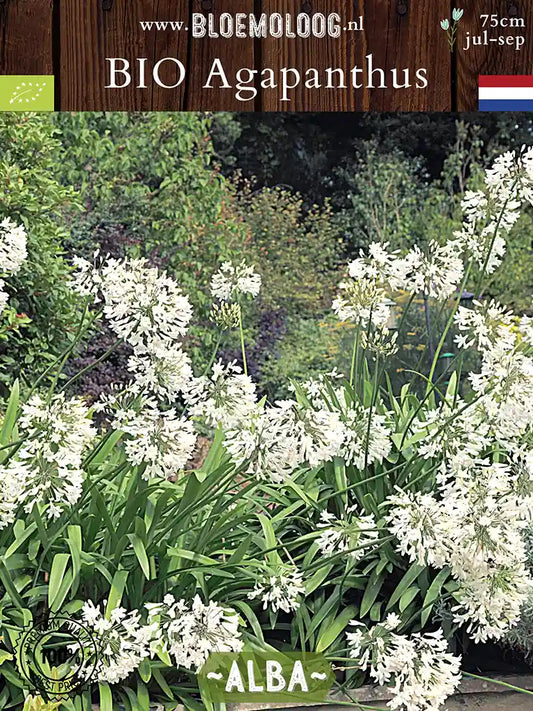
Organic Agapanthus 'Alba' - White African lily
Vendor:BloemoloogRegular price 103,08 krRegular priceSale price 103,08 krSold out -
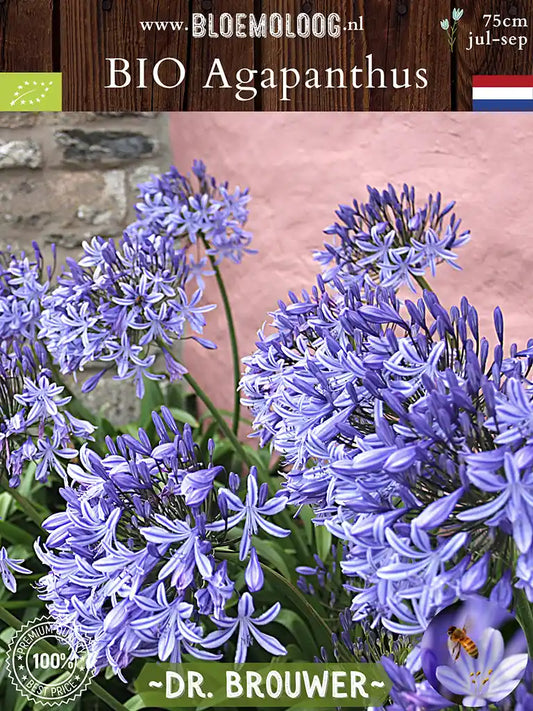
Organic Agapanthus africanus 'Dr. Brouwer' - African lily
Vendor:BloemoloogRegular price 64,20 krRegular priceSale price 64,20 krSold out -
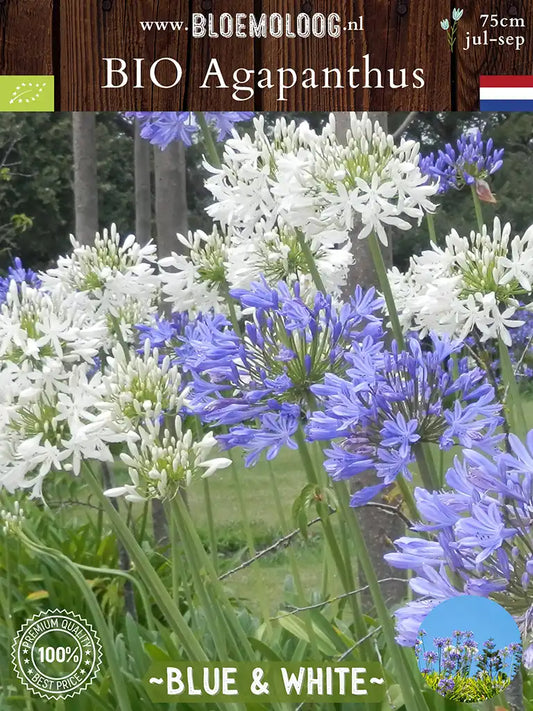
Organic Agapanthus africanus 'mix' - Blue & white African lily | 2 pcs.
Vendor:BloemoloogRegular price 161,96 krRegular priceUnit price 80,98 kr eachSale price 161,96 krSold out -
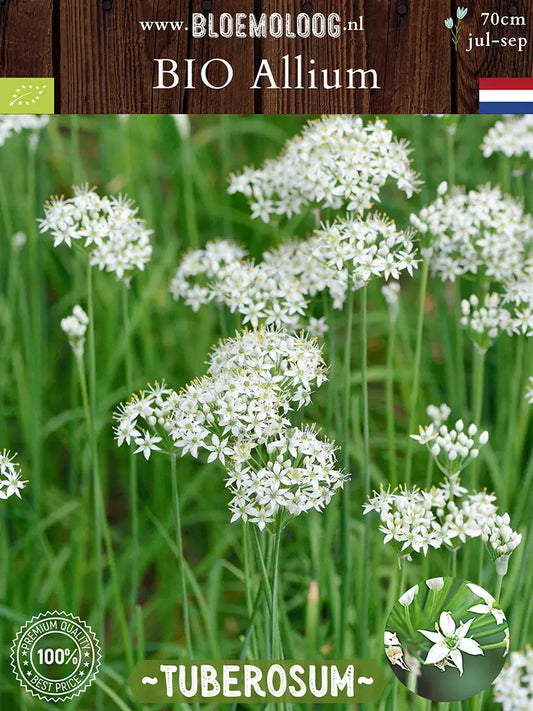
Organic Allium 'Tuberosum' - Garlic Chives
Vendor:BloemoloogRegular price 45,32 krRegular priceSale price 45,32 krSold out -
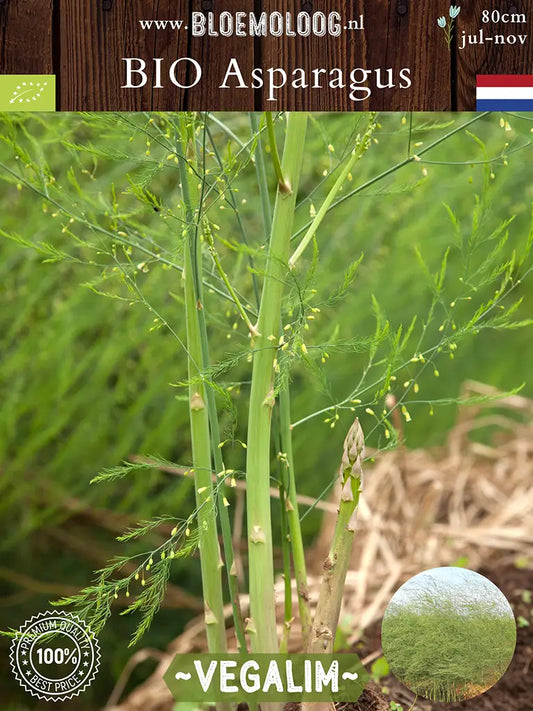
Organic Asparagus 'Vegalim' (green asparagus)
Vendor:BloemoloogRegular price 45,32 krRegular priceSale price 45,32 krSold out -
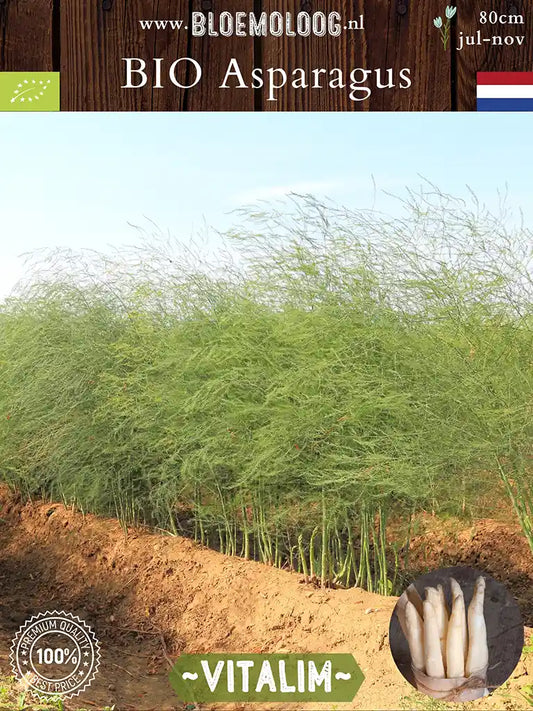
Organic Asparagus 'Vitalim' (white asparagus)
Vendor:BloemoloogRegular price 45,32 krRegular priceSale price 45,32 krSold out
All products
-
Organic flower bulbs
Organically grownDiscover our organic flower bulb collection, sustainably grown without chemical pesticides...
Assortment of organic flower bulbs
Want to stay informed about new arrivals? Subscribe to our newsletter at the bottom of the page, or take a look at which varieties will be available soon.
-
What are organic flower bulbs?
Organic flower bulbs are grown without harmful pesticides or artificial fertilizers. Growers use strong, disease-resistant varieties, eliminating the need for synthetic agents. This results in flower bulbs that are better for the soil, biodiversity, and your garden.
Unsprayed bulbs – is that correct?
The term "unsprayed" isn't entirely accurate: organic growers do use natural crop protection. Think of products based on microorganisms and plant extracts – 100% organic and safe for humans, animals, and the environment.
Certified organic flower bulbs
All flower bulbs in our webshop come from Skal-certified growers. These growers undergo strict annual inspections to ensure the absence of chemical residues and compliance with organic guidelines.
Why plant organic flower bulbs?
Flower bulbs are an important food source for bees and other pollinators. Conventional cultivation results in pesticides leaching into the groundwater, with harmful consequences for ecosystems. With organic flower bulbs, you're choosing a healthy garden and a healthier planet.
-
Organic flower bulbs for bees
Bees that visit organic flowers don't ingest harmful pesticides. Research shows that chemicals impair bees' sense of direction, similar to being drunk. Organic blooms help bees find their way home.
Order organic flower bulbs online
In our webshop and market stall, you'll find exclusively 100% organic flower bulbs. No pre-packaged bags, just individual bulbs so you can create your own favorite combination. Quality, freshness, and provenance are our top priorities.
Buy flower bulbs at the market
Besides our online store, you'll find us at various markets and sustainable events. Here, you can choose the most beautiful flower bulbs from our containers. No off-the-shelf bags – just custom work.
Taking organic flower bulbs with you on your travels
All flower bulbs come with EU plant passports and instructions. This makes traveling within the EU easy and safe – even if you want to bring a gift or put together your own mix package.
Skal no: 109459
Our philosophy is that what you put in the ground should contribute to a better planet; Besides the fact that flowers are a beauty to the eye, they contribute to a habitat for insects such as butterflies and bees. In this way we can contribute to a healthy eco-system on our planet with sufficient bio-diversity.