


















Small and natural
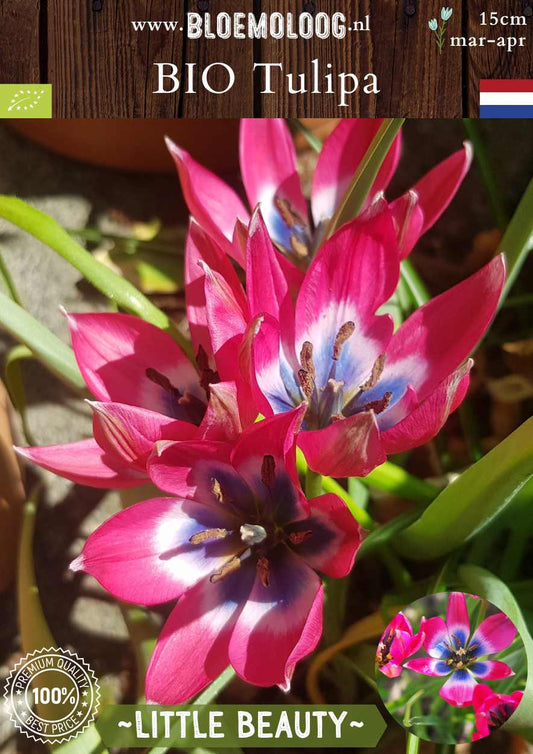
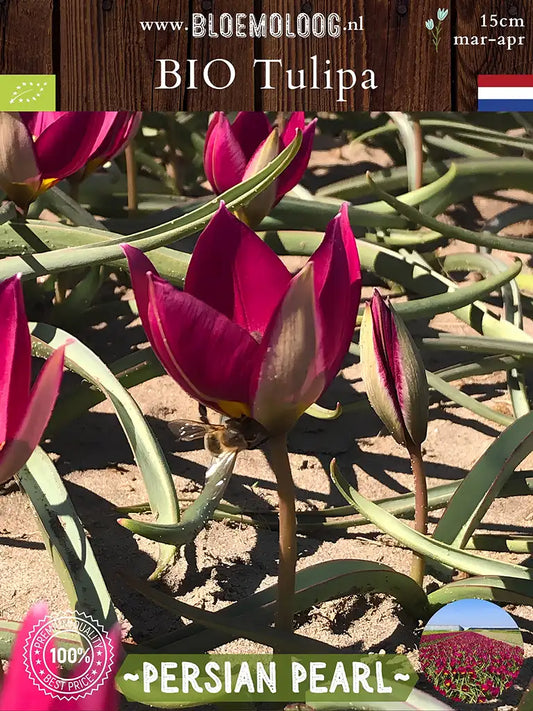
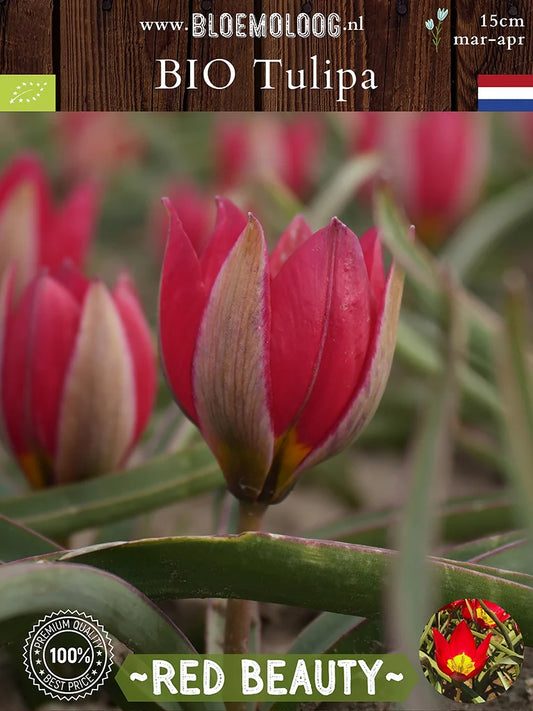
Botanical tulips suit sunny borders and rock gardens. Many can return for several years in the right position.
Organic botanical tulipsOrganically grown · NL-BIO-01
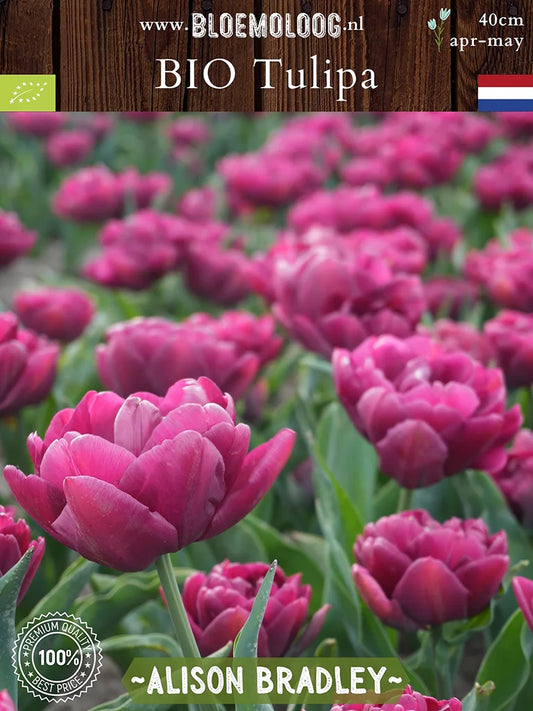
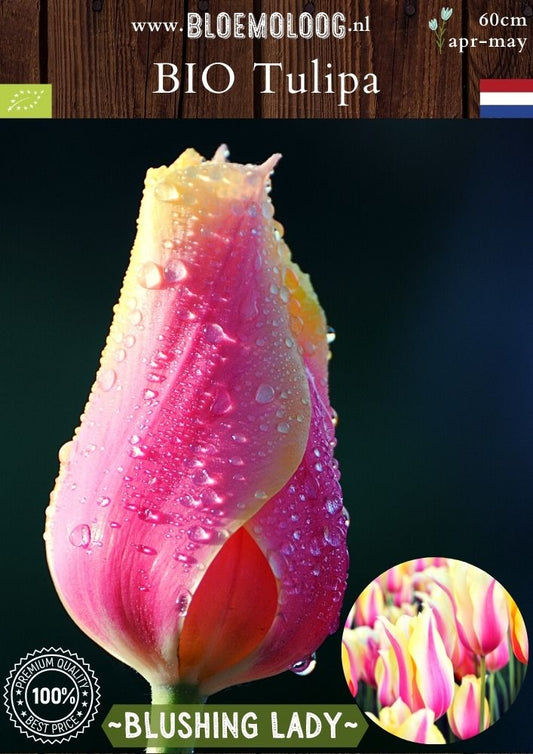
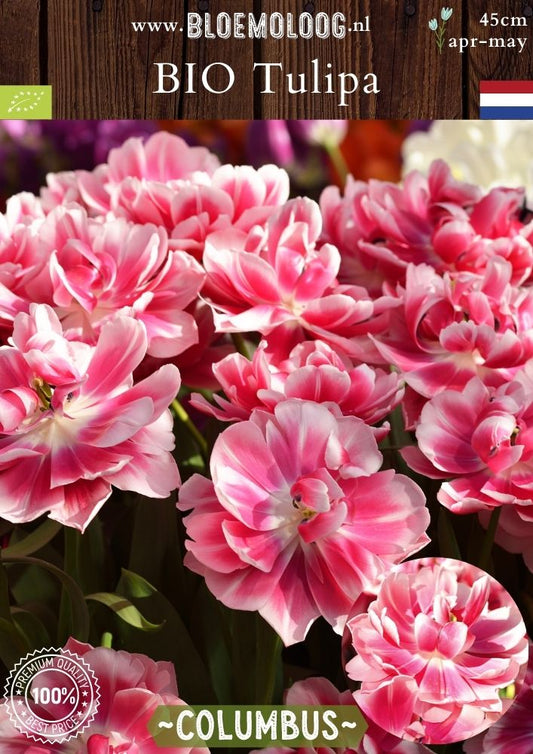
From small botanical tulips to full peony-like flowers and elegant lily-flowered varieties: choose the colours and shapes for your spring garden. Combining flowering periods brings longer enjoyment in borders, pots and vases.

Botanical tulips suit sunny borders and rock gardens. Many can return for several years in the right position.
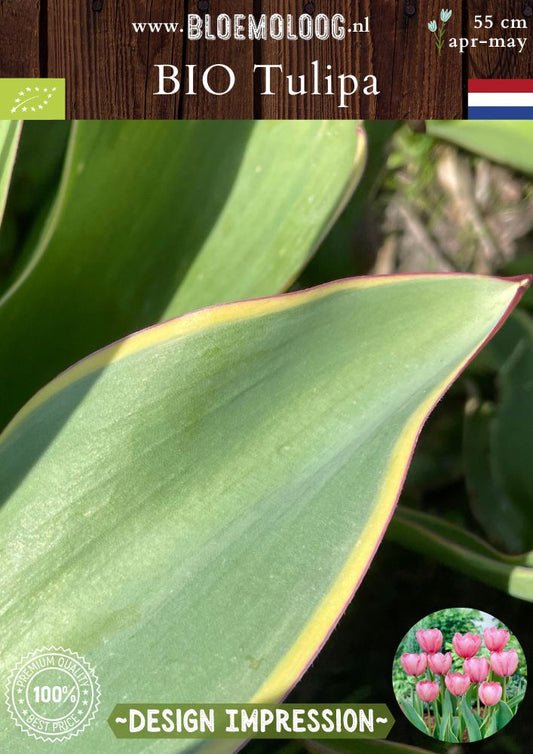
Organic botanical tulipsDarwin hybrids such as ‘Salmon Impression’ produce large blooms on sturdy stems. Repeat groups for a harmonious colour scheme.
Organic Tulipa 'Salmon Impression' | 7 pcs.Choose lily-flowered, double or fringed tulips for variety. Consider height and flowering time as well as colour.
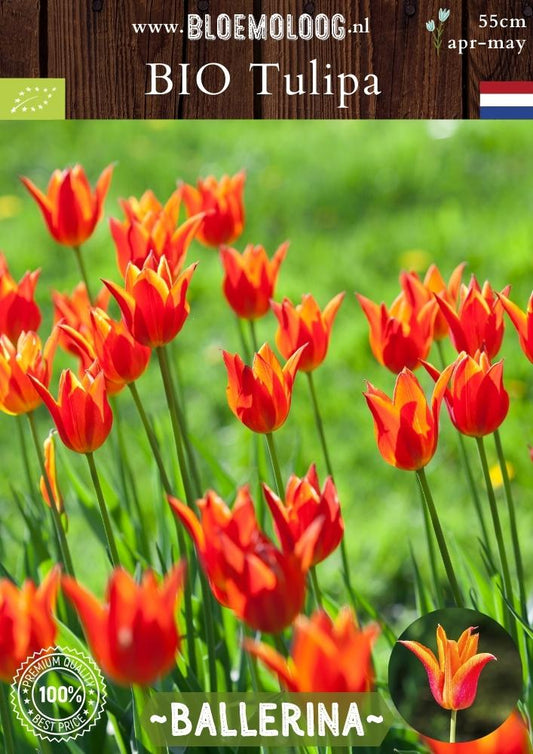
Organic Tulipa 'Ballerina' - Lily tulip | 7 pcs.Bloemoloog offers organically grown tulip bulbs, from small botanical tulips to large-flowered garden varieties. Tulips belong to the genus Tulipa. They vary in colour, height, flower shape and flowering time. A short tulip suits the front of a border or a pot; a taller variety can rise above emerging perennials. Check each product for its particular characteristics.
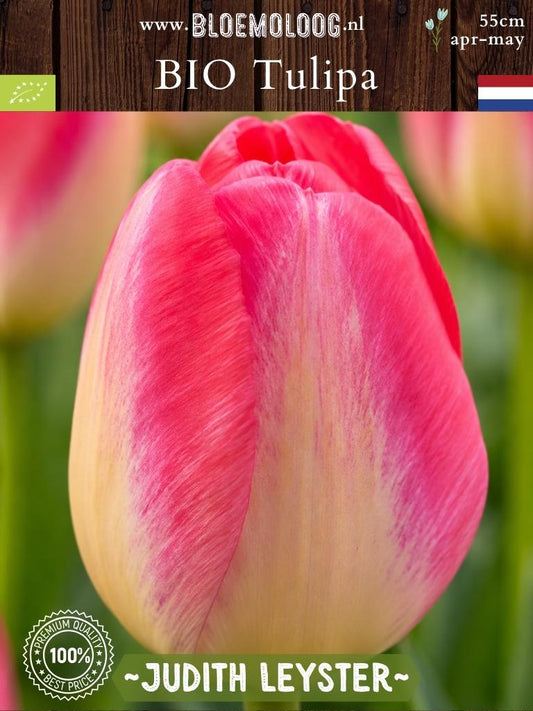
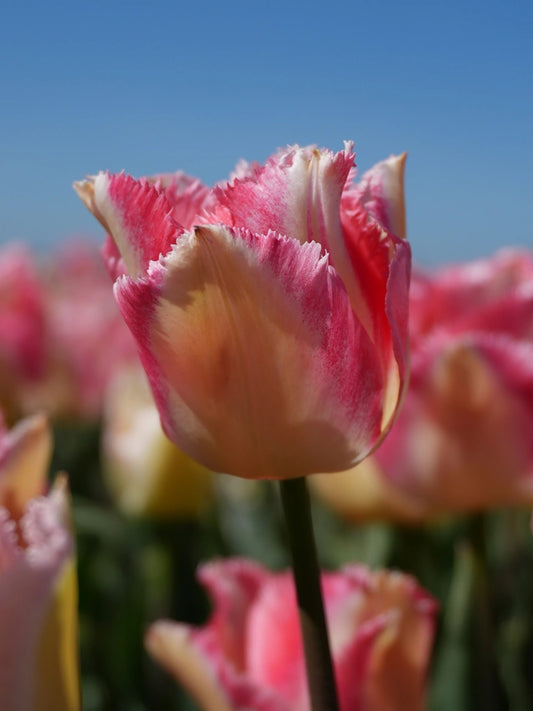
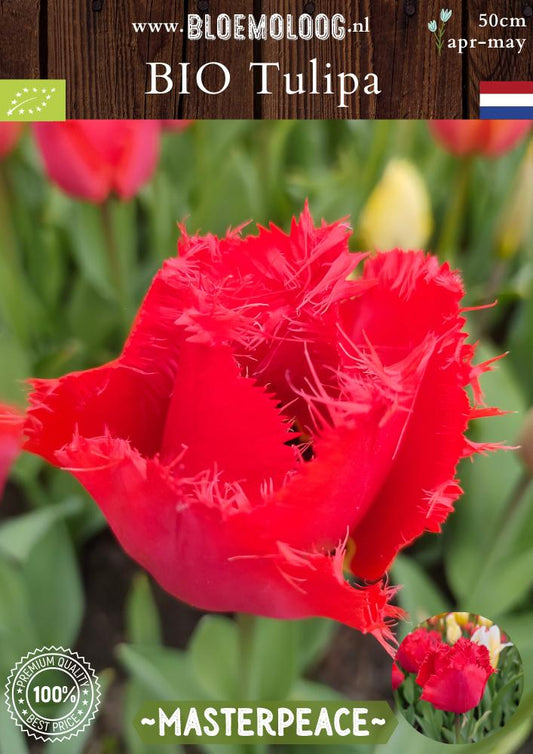
Botanical tulips often have a natural appearance and tend to be shorter. Darwin hybrids are known for large flowers and sturdy stems, while Triumph tulips have the classic tulip shape. Fosteriana tulips often produce large flowers early in the season. Lily-flowered tulips such as ‘Ballerina’ have slender, pointed petals. Double or peony-flowered tulips are fuller. Fringed tulips have finely fringed edges, Viridiflora tulips have green markings and parrot tulips have irregularly shaped petals. Not every group is available every season.
Combine early and late tulips for a longer spring display. Choose shades of one colour or repeat a few colours in groups. Grape hyacinths and daffodils can accompany tulips, with ornamental onions following later. Check that chosen varieties flower together and share soil and light requirements. Tulips also suit a cutting garden: use clean scissors and leave enough foliage if you want to keep the bulbs.
Plant in autumn, preferably from October as the soil cools. Avoid frozen or waterlogged ground. Place bulbs pointed end upwards and follow the product's depth and spacing advice. A general guideline is a depth of two to three times the bulb's height. Most tulips prefer sunshine and freely draining soil. For containers, choose a deep enough pot with drainage holes; prevent both drying out during growth and prolonged standing water.
Remove spent flowers if you do not want seeds. Leave foliage until it yellows and dies naturally, allowing the bulb to replenish its reserves. Many botanical tulips and some garden varieties can return for several years, but repeat flowering is not equally reliable in every variety. Sunshine and good drainage help. Lifting is not always necessary; where summer soil stays too wet, lifting after the foliage dies may be useful. Store healthy bulbs in dry, airy conditions until autumn.
Our tulips come from certified organic growers. Not every tulip offers the same value to insects. Open, single flowers can provide accessible pollen, while double flowers are generally less accessible. Include other bulbs and plants with different flowering periods in a garden for bees. Organic cultivation alone does not make all plant parts suitable to eat; culinary use requires reliable information about the species and preparation.
Tulip bulbs are generally available from June to January, while stocks last. Pre-orders are delivered from mid-September. In-stock items are dispatched within 1–3 working days; current delivery details appear with the product. Explore botanical tulips, combinations and packages through the links below. In autumn, you can also select loose bulbs from our crates at markets and events.