

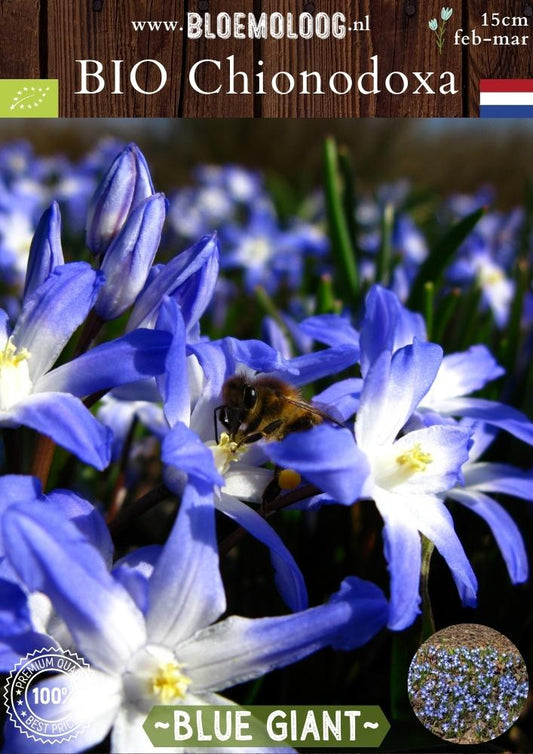

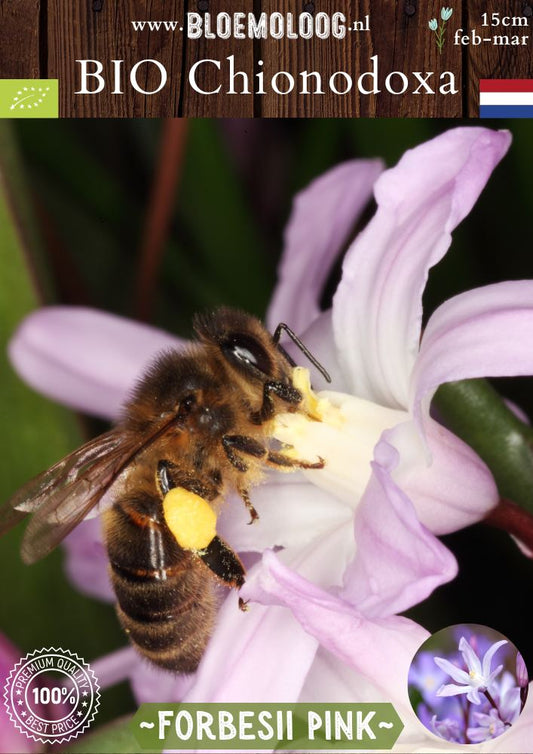

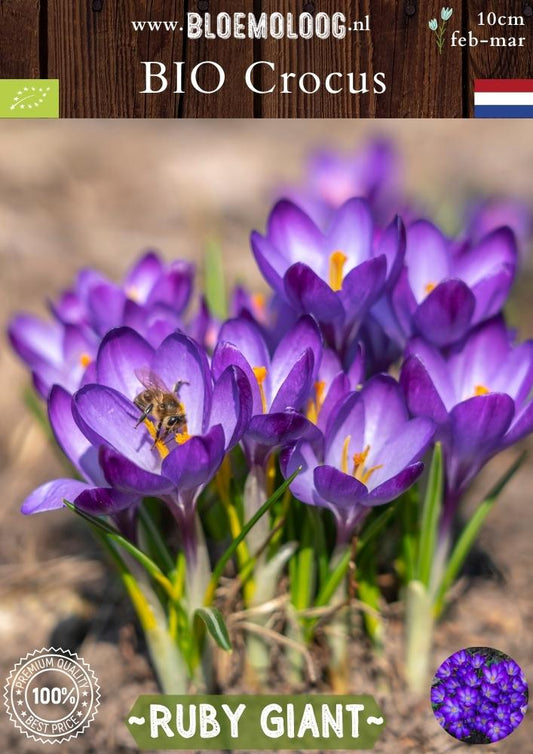



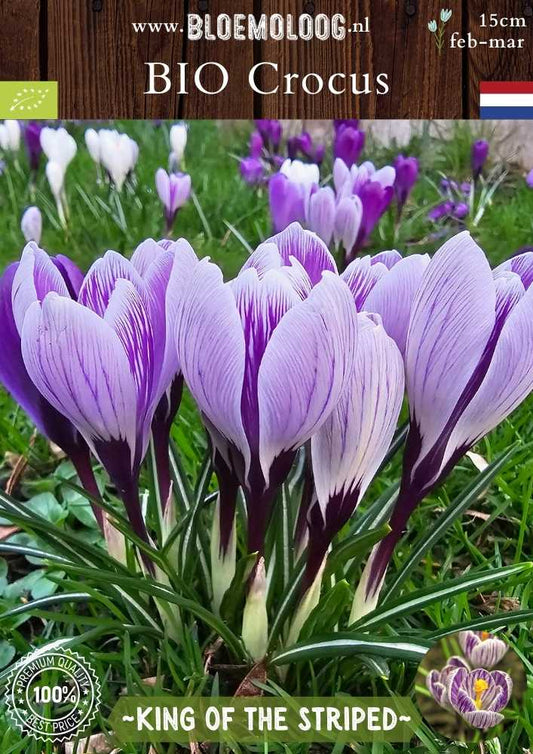

















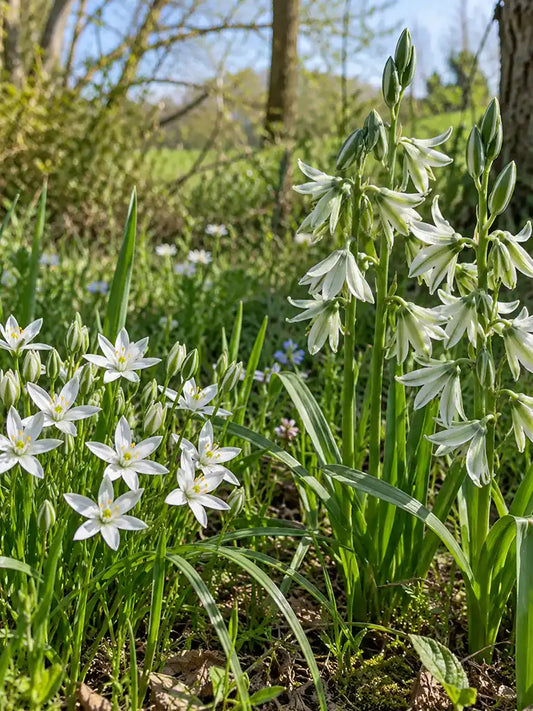
Beneath trees and shrubs
Deciduous trees let light through in spring. Choose species suited to the moisture and shade in your garden.
Organically grown · NL-BIO-01
A garden that comes to life early in the year. Discover organic heritage bulbs for beneath trees, through grass and in natural borders.

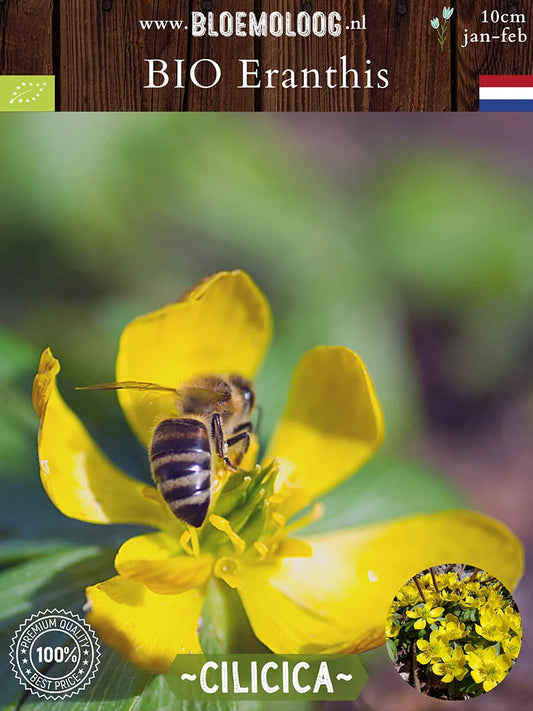
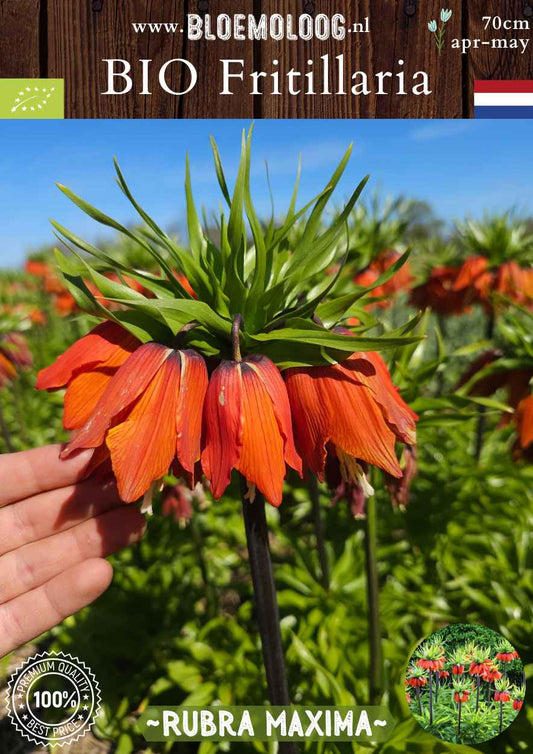
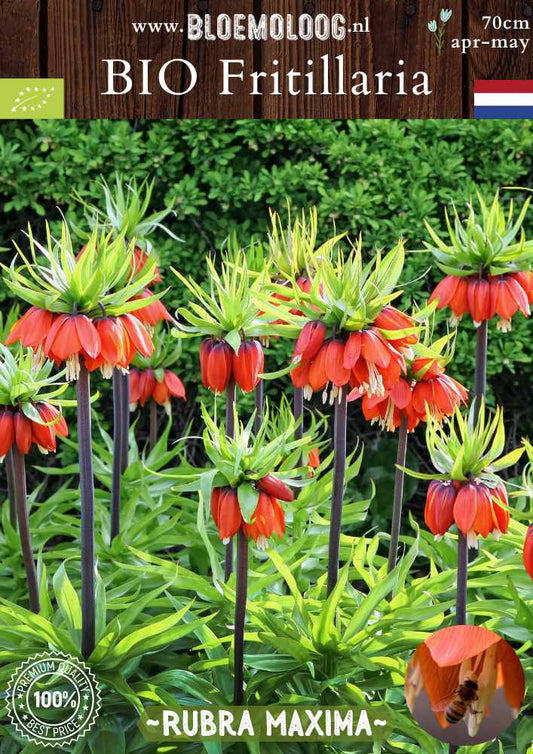
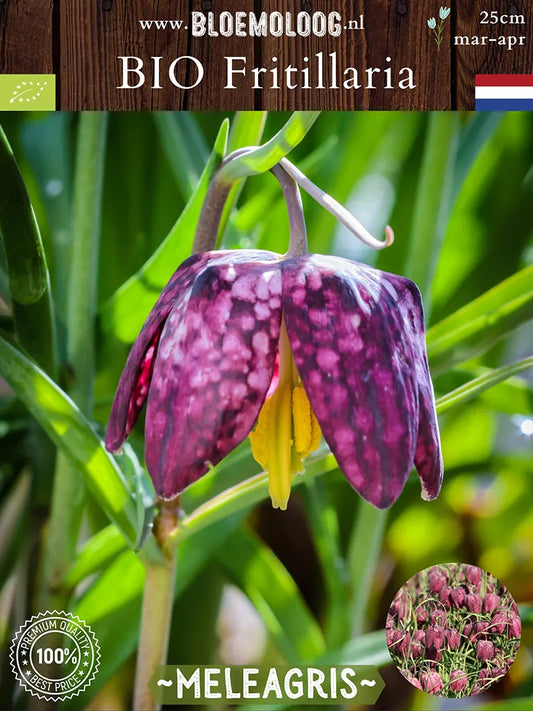
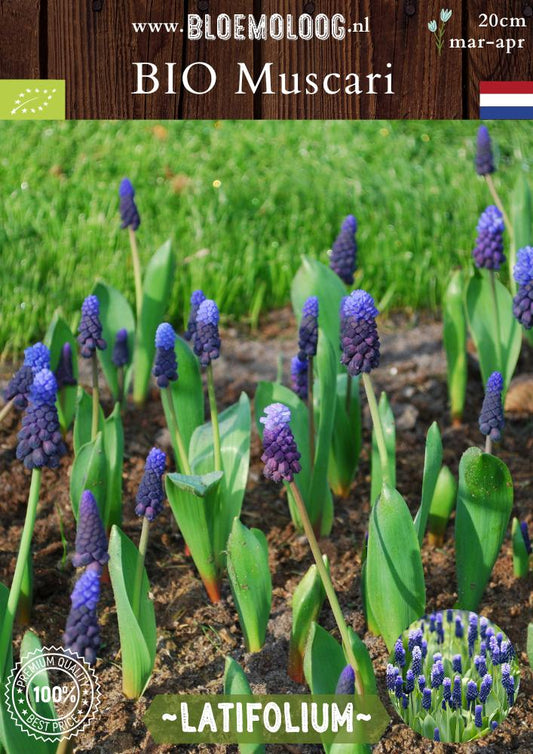
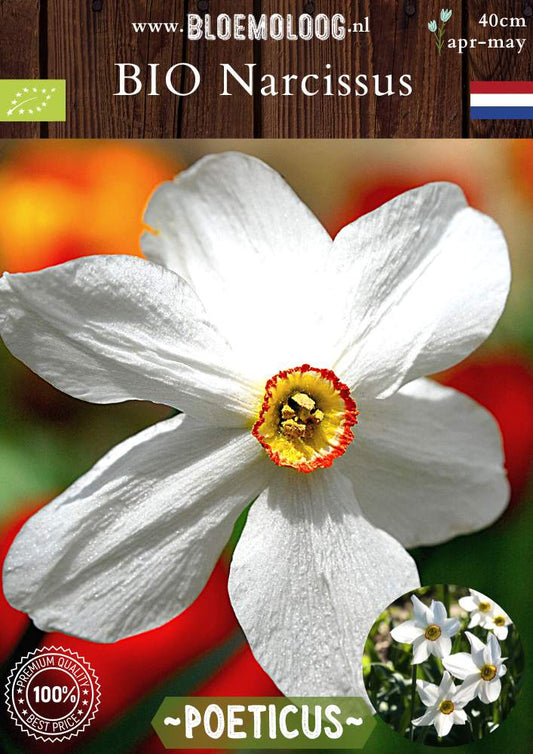
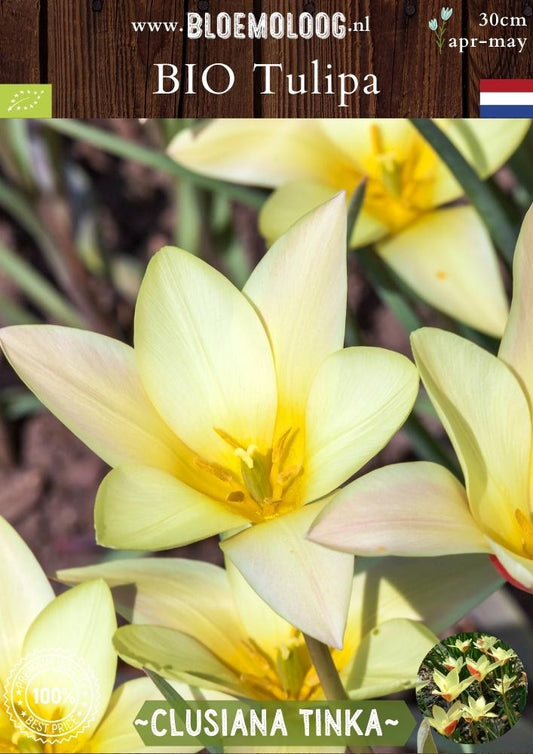
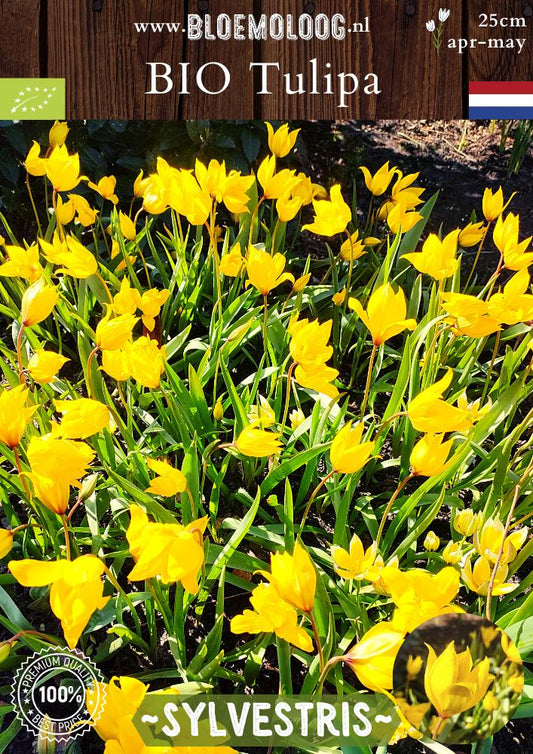
Grandpa Stins used to tell Lieuwe about stinzen plants. These spring flowers are associated with historic gardens and country estates, yet also suit small gardens. In the right spot, and with a little patience, they can return for years.
Deciduous trees let light through in spring. Choose species suited to the moisture and shade in your garden.
Small spring flowers create a relaxed, natural effect. Choose an area you can leave unmown for a while after flowering.
Plant in groups among perennials. Consider flowering time and sunlight so the bulbs can stay in place.
Naturalising takes time. Leave foliage alone after flowering and avoid unnecessary digging among the bulbs. Species spread at different rates; soil and position make a real difference.
Unsure which varieties suit your garden? Ask us
Plant spring-flowering bulbs in autumn. Follow the planting time, depth and spacing on the product page; these vary by species.
Let the leaves turn yellow naturally. In grass, wait until the foliage has died back before mowing.
In-stock items are dispatched within 1–3 working days. For pre-orders, the delivery period on the product page applies. Shipping policy
Stinzen plants, also spelled stinsen plants, are traditionally associated with country estates, old gardens, churchyards and historic grounds. They are not a separate botanical family. Many familiar examples are perennial bulbs and corms that flower early in the year and can persist and spread in a suitable spot.
The name comes from the Frisian word ‘stins’: a stone, often fortified house. Unusual ornamental plants were planted around these homes and on country estates, including species from other parts of Europe. Some persisted and naturalised, creating the carpets of flowers we associate with historic gardens. The species regarded as stinzen flora can vary by region.
Consider light, soil and moisture. Beneath deciduous trees, plenty of light often reaches the ground in early spring, before the canopy provides summer shade. This suits various woodland plants, but dry soil among tree roots does not suit every species.
Plant spring-flowering bulbs in autumn, preferably from October, following the product instructions. Many species can be planted later while the soil is neither frozen nor waterlogged. Planting depth and spacing vary by species. Arrange bulbs in loose groups for a natural effect. In grass, choose an area you can leave unmown long enough after flowering.
In a suitable spot, stinzen plants usually need little maintenance. Let leaves yellow naturally after flowering so the bulb can build reserves for next year. Wait for foliage to die back before mowing. Avoid digging among the bulbs. A thin layer of mature garden compost or leaf mould can improve soil for species that prefer humus-rich conditions. Propagation by offsets, runners or seed varies by species and takes time; more flowers every year are not guaranteed.
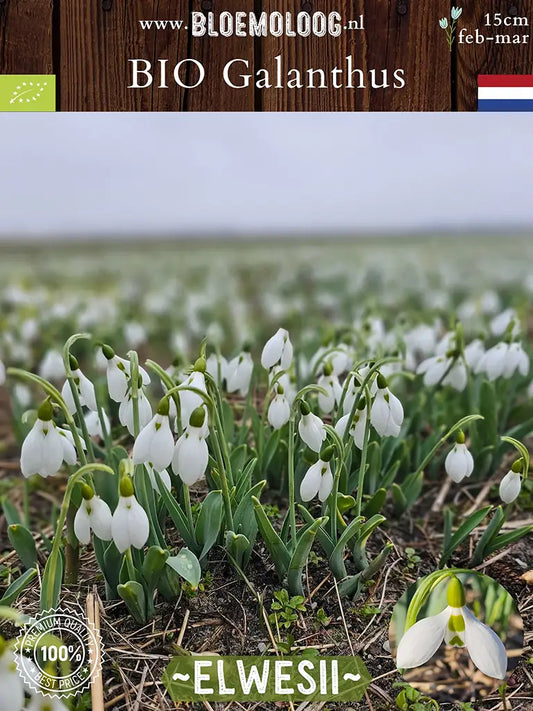
Bloemoloog sells only organically grown stinzen plants from SKAL-certified growers. Our involvement goes beyond selling: we also grow snowdrops ourselves. Many early flowers provide nectar or pollen when few other flowers are available. Combining species with different flowering times spreads both the display and food availability for insects.
Our spring-flowering stinzen bulbs can generally be ordered from June to January, while stocks last. Pre-order deliveries start from mid-September; check the product page for current availability and delivery periods. In-stock items are dispatched within 1–3 working days. Dispatch is different from delivery: the carrier still needs time to bring your parcel.
In autumn, you can choose loose bulbs from our crates at markets and events. Select your own varieties and quantities and ask us for advice in person. Availability varies by market and time of the season. See our markets and events calendar for current locations and dates.