




Organic spring bulbs and corms
Spring-flowering bulbs and corms bring colour after winter; some continue into early summer. Plant them in autumn. Bloemoloog offers tulips, daffodils, crocuses, hyacinths, ornamental onions and naturalising woodland bulbs. They fit between later-emerging perennials, in pots and in natural plantings. Consider flowering time and your garden's conditions.
From the first flowers to summer alliums
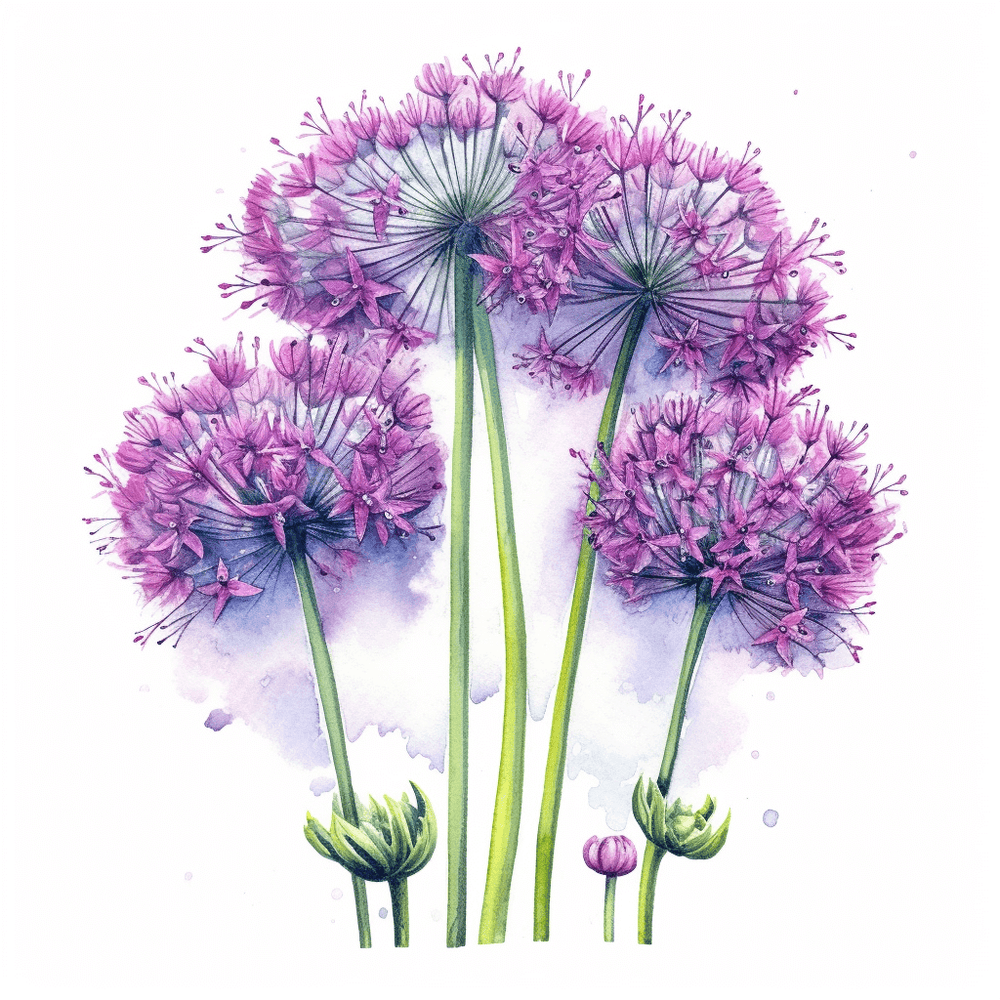
Snowdrops and early crocuses open the season. Daffodils, hyacinths and tulips follow, with ornamental onions and camassias adding height later. Combining flowering periods extends the display. Exact months depend on the variety and weather. Compare flowering time, height and colour on each product page.
Choosing a position
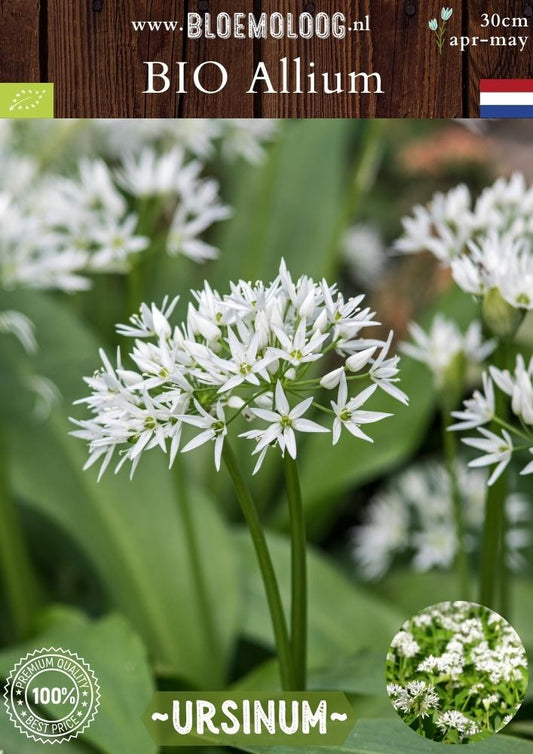
Many tulips, crocuses, hyacinths and ornamental onions prefer sunshine and soil that drains excess water. Snowdrops and bluebells often suit partial shade under deciduous trees, with spring light followed by summer shade. Requirements vary within each genus. For moister soil, consider Camassia and summer snowflake, Leucojum aestivum. Moist does not mean permanently waterlogged: check product advice, particularly for heavy clay.
Bulbs for bees and other pollinators
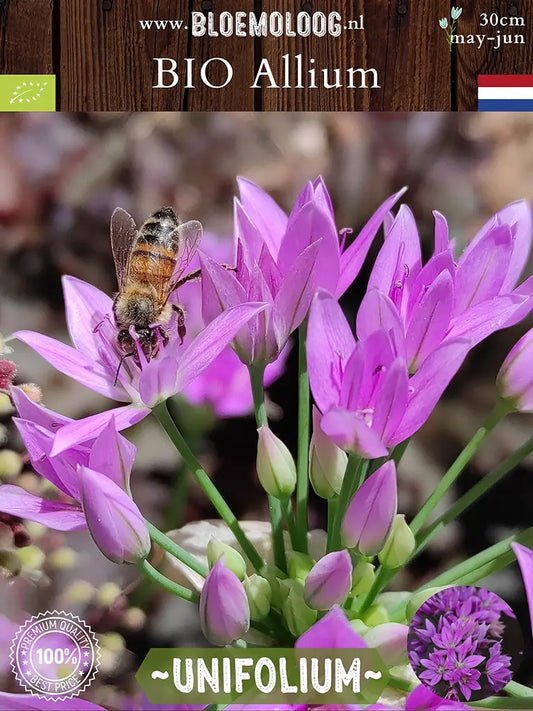
Early flowers can provide food when little else is flowering. Choose different varieties with accessible nectar or pollen and stagger flowering times. Crocuses, snowdrops and later many ornamental onions are useful additions. Densely double flowers are often less accessible than open flowers. Combine bulbs with later-flowering perennials to continue providing flowers beyond spring.
Our organic growers
Bloemoloog sells only organically grown bulbs from certified growers. We work with growers in areas including North Holland, South Holland and Flevoland. Both Bloemoloog and our organic growers are inspected under the organic certification system. Healthy soil, suitable varieties and careful cultivation matter. Organic cultivation does not make bulbs immune to disease; choosing an appropriate position remains important.
When and how to plant
Plant in autumn, preferably from October, while soil is neither frozen nor waterlogged. Some varieties can be planted as late as January, but do not store bulbs unnecessarily. Follow product instructions for depth, spacing and preparation. A common guideline is a depth of two to three times the bulb's height. Pots need drainage holes. Water after planting if necessary and prevent prolonged drying during growth.
After flowering and naturalising
Let foliage yellow and die naturally so bulbs can replenish reserves. Remove spent flowers to limit unwanted seeds, or let seed heads ripen if you want self-seeding. In grass, wait until foliage has died before mowing. Many daffodils, crocuses and woodland bulbs can return or multiply in a suitable position; not all garden tulips do so reliably. Explore our naturalising bulbs for lasting plantings.
Storing bulbs
Open the delivery box and check bulbs on arrival. Plant promptly according to the variety's advice; small bulbs can dry out in prolonged storage. If you must wait briefly, use a cool, dry, ventilated place. Bulbs lifted after foliage has died should first dry, then be stored healthy, dry, airy and protected from mice until planting time. Not every variety needs annual lifting.
Ordering and pre-orders
Spring bulbs are generally available from June to January, while stocks last. Pre-order your selection ahead of deliveries starting in mid-September. In-stock items are dispatched within 1–3 working days; current product information takes precedence. In autumn, select loose bulbs from our crates at markets and events too. We are happy to help with combinations and growing positions.
Frequently asked questions
When should I plant spring-flowering bulbs?
Usually in autumn. Exact timing and planting depth vary by species.
Can I combine different bulbs?
Yes. Match growing conditions and compare flowering times for simultaneous blooms or a longer season.
Can I remove leaves straight after flowering?
No. Keep green leaves until they die naturally so bulbs can build reserves.