







In the grass
Choose early-flowering species if you want to mow later in spring. Let all foliage die back first.
Organically grown · NL-BIO-01
Plant once and look forward to flowers each spring. Choose organic bulbs that can return and multiply in a suitable spot.
Crocuses through the grass or daffodils along a border: naturalising bulbs bring a seasonal rhythm to your garden. Start with species suited to your soil and light, and give the planting a chance to establish.
Choose early-flowering species if you want to mow later in spring. Let all foliage die back first.
Consider the light before trees come into leaf, as well as soil moisture. Not all bulbs suit dry ground among tree roots.
Combine flowering times and heights. Leave space for bulb foliage as the perennials start growing again.
Choose the right spot for each species and disturb the bulbs as little as possible after planting. Returning and multiplying are not guaranteed: soil, moisture and care determine how well a species establishes.
Unsure which varieties suit your garden? Ask us
Plant spring-flowering bulbs in autumn. Follow the planting time, depth and spacing on the product page; these vary by species.
Let the leaves turn yellow naturally. In grass, wait until the foliage has died back before mowing.
In-stock items are dispatched within 1–3 working days. For pre-orders, the delivery period on the product page applies. Shipping policy
Naturalising bulbs are perennial bulbs that can stay in the ground in a suitable spot and flower again. Some spread through offsets, runners or seed, allowing a small group to develop into a larger planting over the years. The rate of spread varies with species, soil and position.
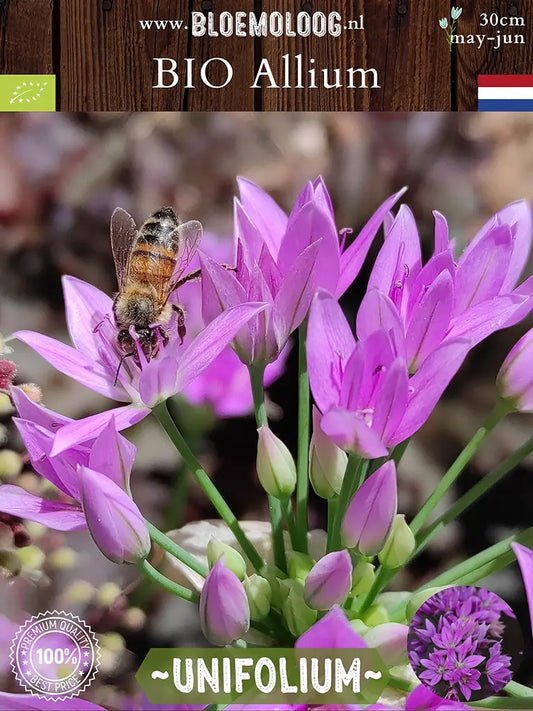
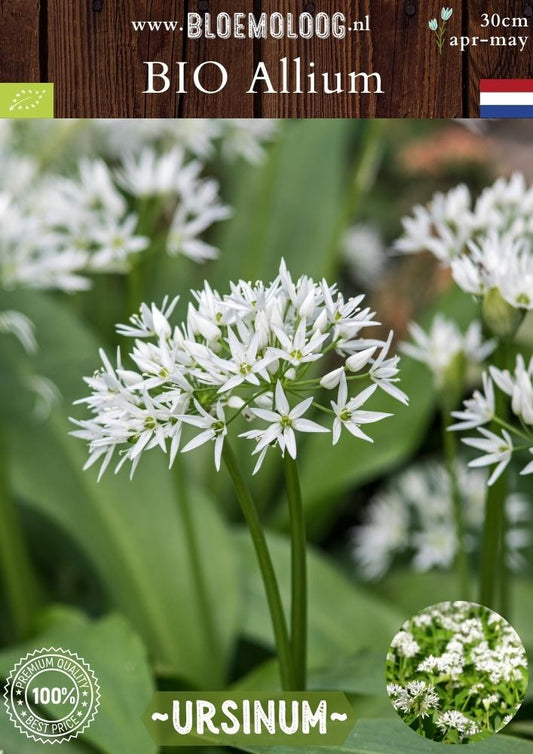
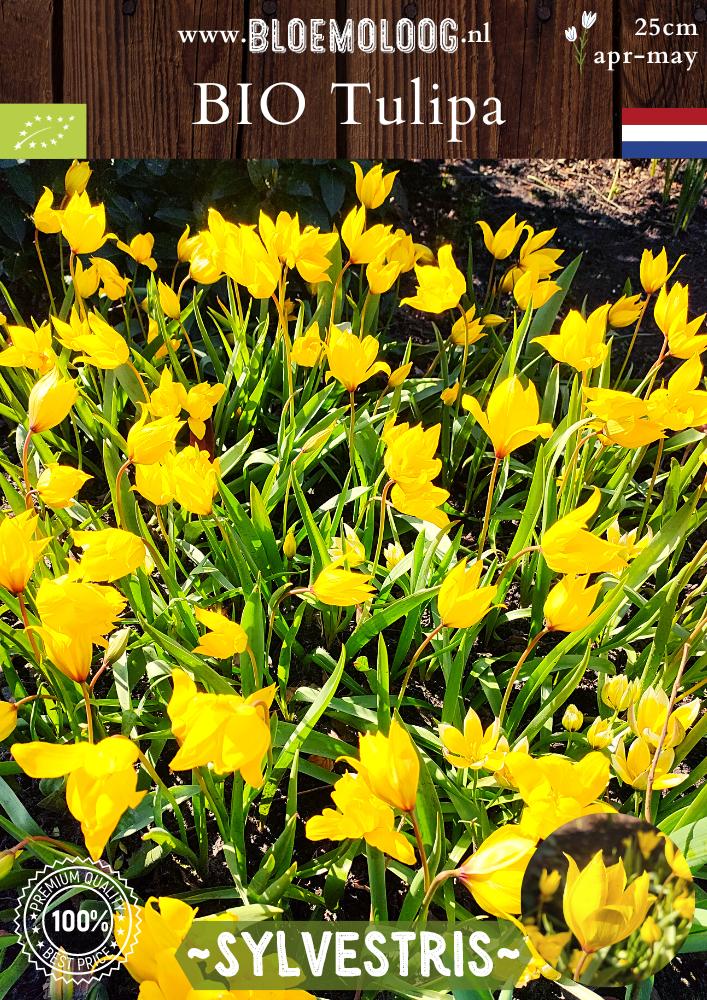
Familiar examples include crocuses, snowdrops, daffodils, bluebells and grape hyacinths. Various botanical tulips and ornamental alliums can also persist and multiply in suitable conditions. Choose according to the individual species: not every tulip or allium naturalises equally well. Our stinzen plants offer a useful starting point for a natural spring planting.
Combining species can extend the flowering season. Snowdrops and early crocuses start the display, followed by daffodils, bluebells and botanical tulips. Camassias and alliums can continue later, with drumstick alliums (Allium sphaerocephalon) adding summer colour. Exact flowering times depend on species, weather and position; each product page gives the relevant period.
Choose the area first, then find suitable species. Consider sunlight during growth, soil moisture and space among other plants. Many bulbs need good drainage, but a dry sandy border calls for different species from a moist clay garden. Summer shade suits some woodland plants; it is not a requirement for every naturalising bulb.
Deciduous trees let spring light reach the ground before their canopy closes. This can suit snowdrops and bluebells. Allow for competition for moisture among tree roots. Plant where there is space and avoid damaging large roots. Where appropriate, add mature leaf mould, then disturb the planting as little as possible.
Crocuses and other early species suit a flowering patch of grass you want to mow later in spring. Wait until the bulb foliage has yellowed and died back before mowing. Later flowers, such as drumstick alliums, need an area left unmown for longer. Height alone is not enough: foliage and seed development need time too. Choose species that fit your mowing routine.
A moist spot can work well with suitable species. Camassias and summer snowflakes are examples for moisture-retentive soil. Snowdrops also dislike drying out during growth. Moist soil is different from prolonged standing water. Consider the conditions during a wet winter and follow the species advice.
Plant spring-flowering bulbs in autumn, preferably from October. Many can be planted later while the ground is neither frozen nor waterlogged. Follow product instructions for depth and spacing. Arrange loose groups for a natural effect, leaving room to spread. When combining flowering times, choose species that also share soil and position requirements.
Let leaves die back naturally after flowering so bulbs can rebuild reserves. Avoid unnecessary digging and hoeing among them. Mature compost or suitable organic feed can help on poor soil; match the amount to the soil and species rather than routinely feeding heavily. Crowded clumps of suitable species can be divided and replanted during dormancy; check the species guidance. Multiplication takes patience and varies from year to year.
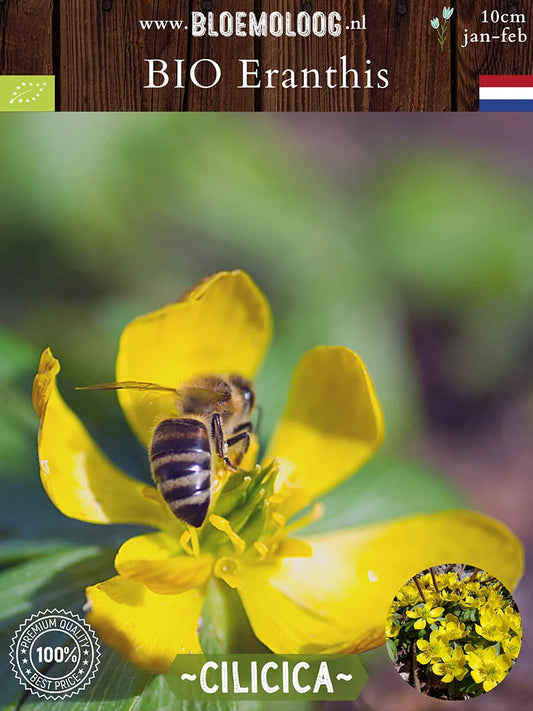
Bulbs that stay in place reduce the need to replant every year, and a planting can last for years. Bloemoloog sells only organically grown bulbs from SKAL-certified growers. Many species in this collection provide nectar or pollen. Combining suitable species with different flowering times makes your garden attractive to insects too.
A prepared pack helps combine species and flowering times. One example is the Organic Happy Bee Mix, containing crocuses, daffodils and alliums among others. Check its product page for current contents, quantities, planting advice and availability. Even with a mix, position determines how well bulbs return and spread. To choose your own combinations, explore our spring-flowering bulb packs or select individual species from this collection.
Our spring-flowering naturalising bulbs can generally be ordered from June to January, while stocks last. Pre-order deliveries start from mid-September; the product page states the current delivery period. In-stock items are dispatched within 1–3 working days. In autumn, you can also choose loose bulbs from our market crates. See the markets and events calendar for current locations and dates.