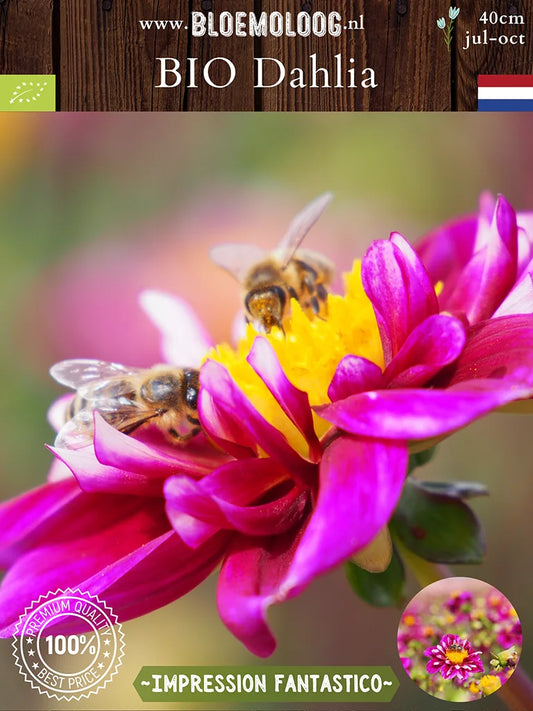
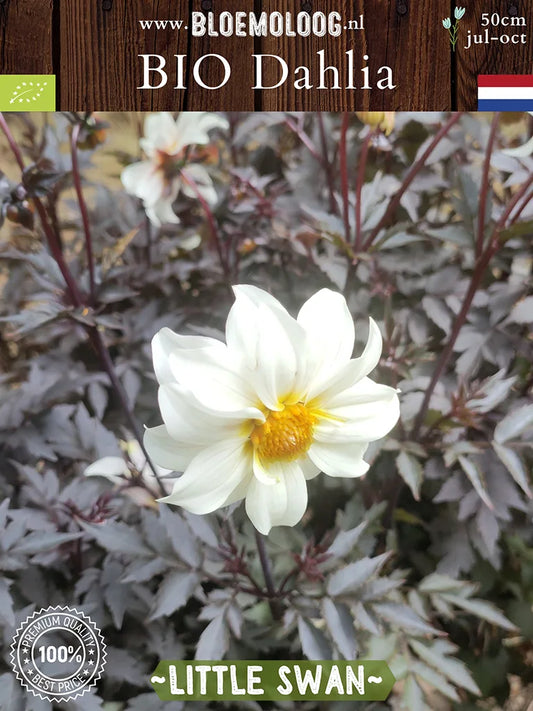
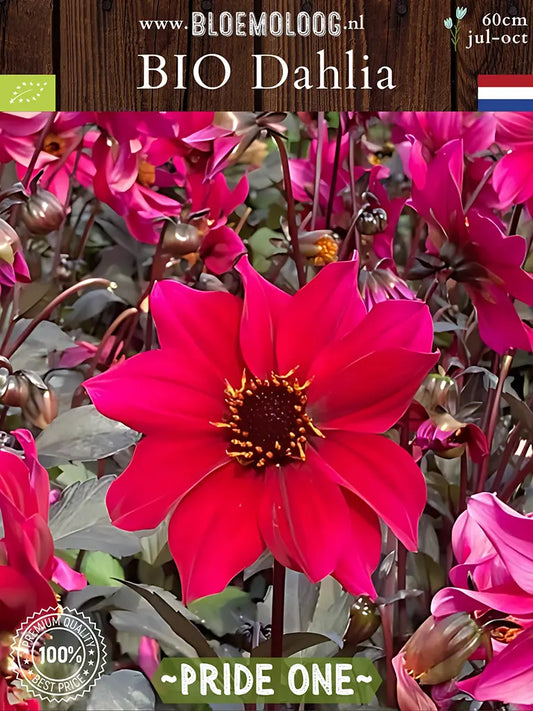
Organically grown dahlia tubers
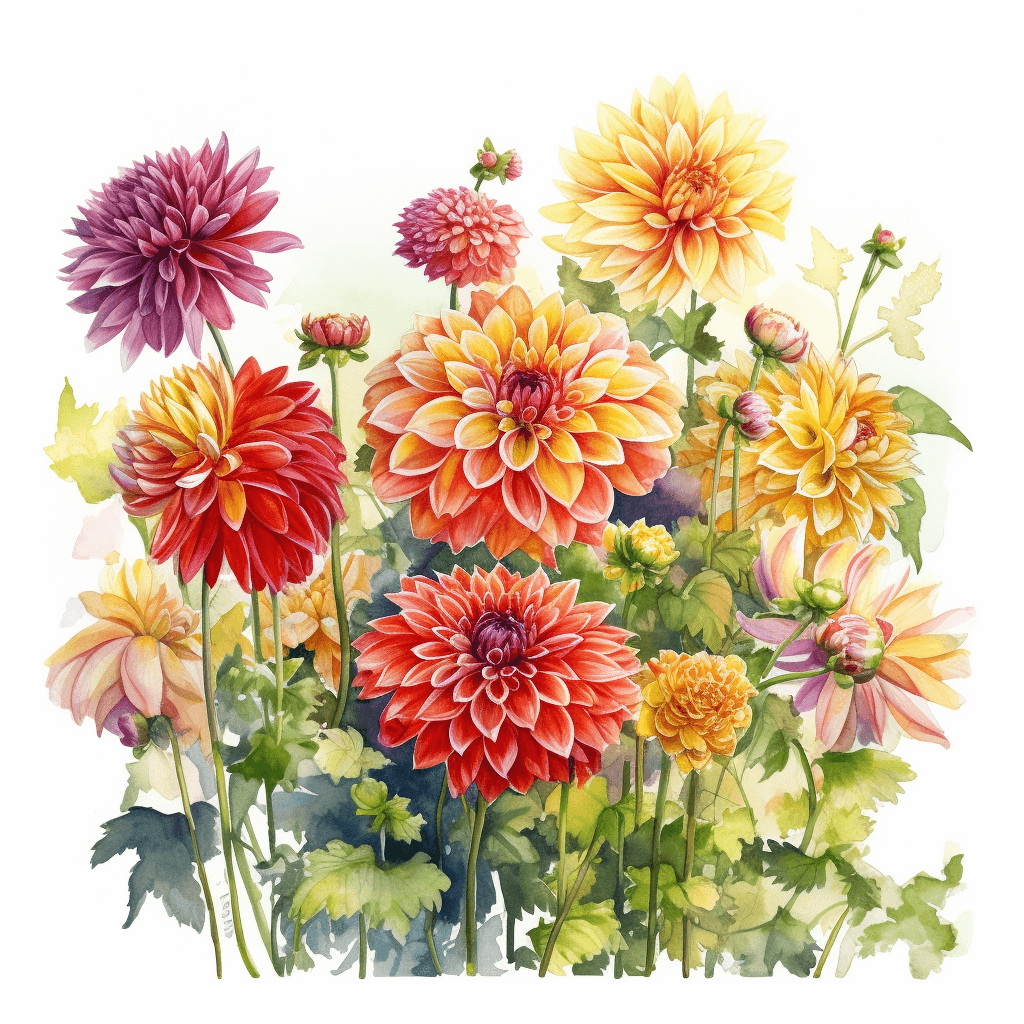
Dahlias come in many different sizes, ranging from small flowers to impressively large blooms. They are available in a wide variety of colors, and some even have multicolored petals. The herbaceous foliage ranges from light green to very dark green and dies back completely after flowering.
Dahlias produce stunning flowers and bloom for an exceptionally long period, from summer well into autumn. Dahlias are perennial plants if the tubers are lifted before frost and replanted after the risk of frost has passed.
Edible flowers
The dahlia tubers from Bloemoloog are grown 100% without chemical substances or artificial fertilizers. This makes the entire plant edible. Enjoy the colorful flowers in a salad or use them to decorate a carafe of water. The tubers have a carrot-like flavor with hints of radish. Take a look here for a page about cooking with dahlia tubers on the website of Katja Staring.
Are dahlias bulbs or tubers?
We are often asked at markets whether dahlias grow from bulbs or tubers. A dahlia plant grows from a tuber. This is a thickened, fleshy root structure whose shape and size can vary depending on the variety and age of the dahlia.
What types of dahlias are there?
The most remarkable characteristic of the dahlia is its enormous diversity in flower forms. Below is an overview of types known at Bloemoloog:
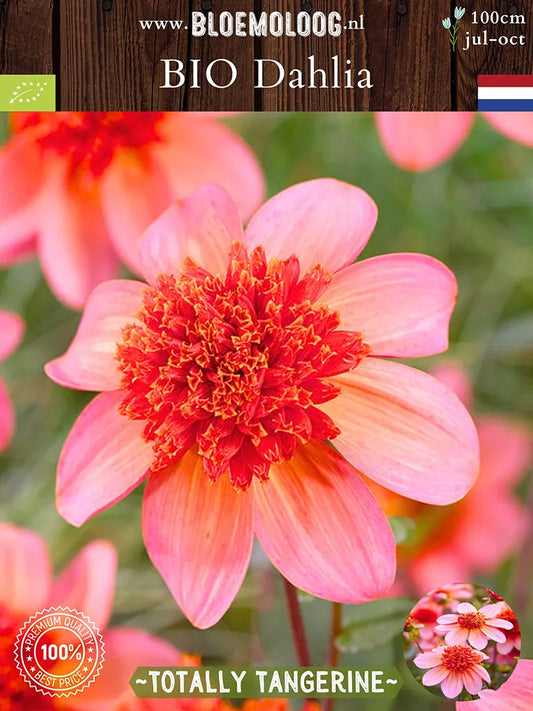
- Anemone dahlia – resembles an anemone with a clearly visible central disc, such as 'Totally Tangerine'
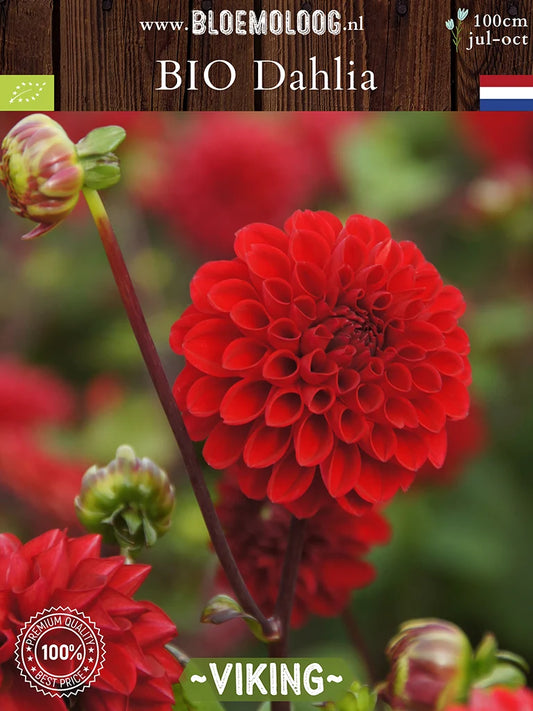
- Ball dahlia – the outer rolled petals curve so far backward that the flower appears perfectly round.
- Cactus dahlia – the many petals are tightly rolled with pointed tips, giving the flower a cactus-like appearance.
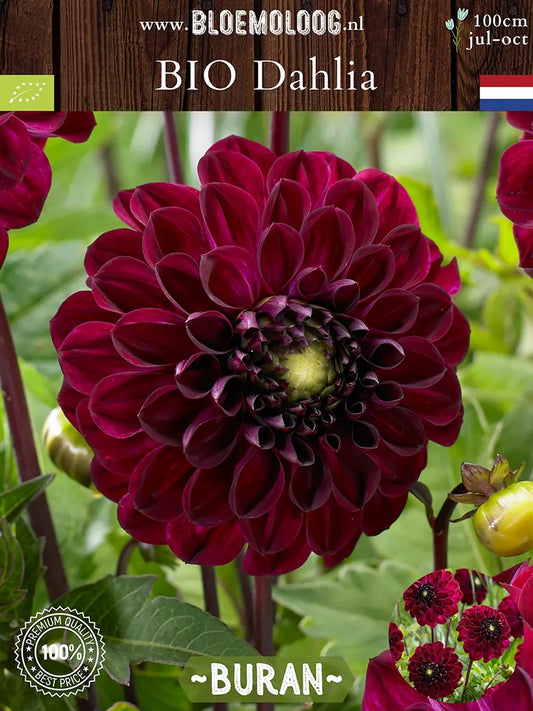
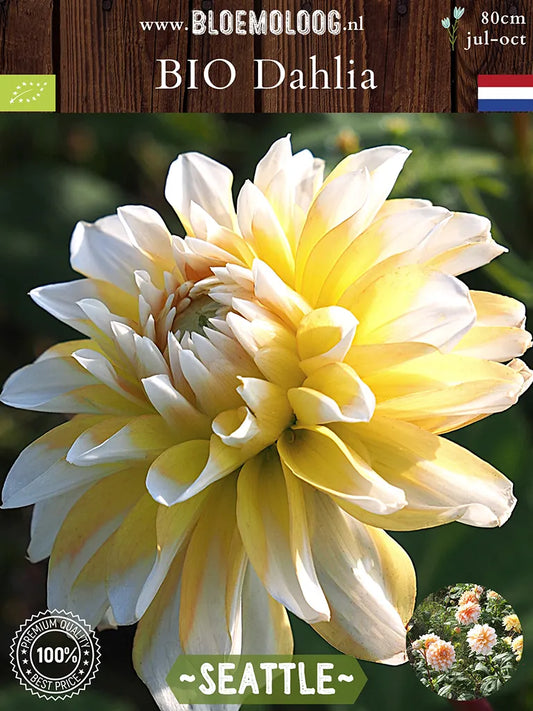
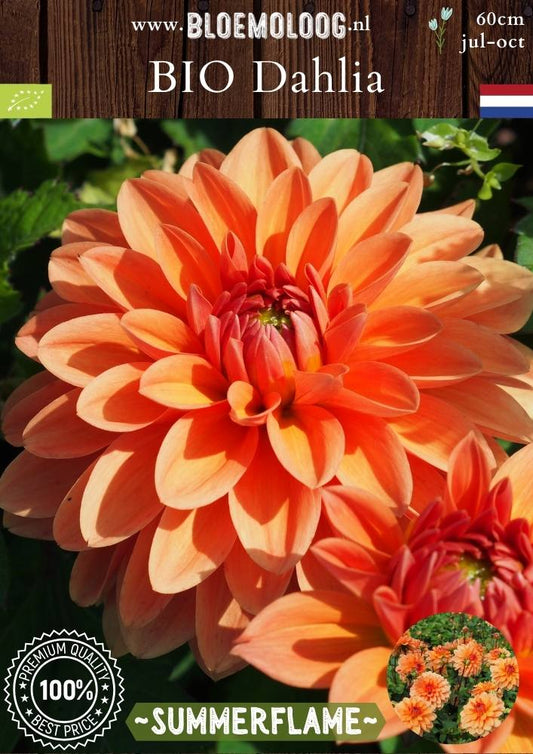
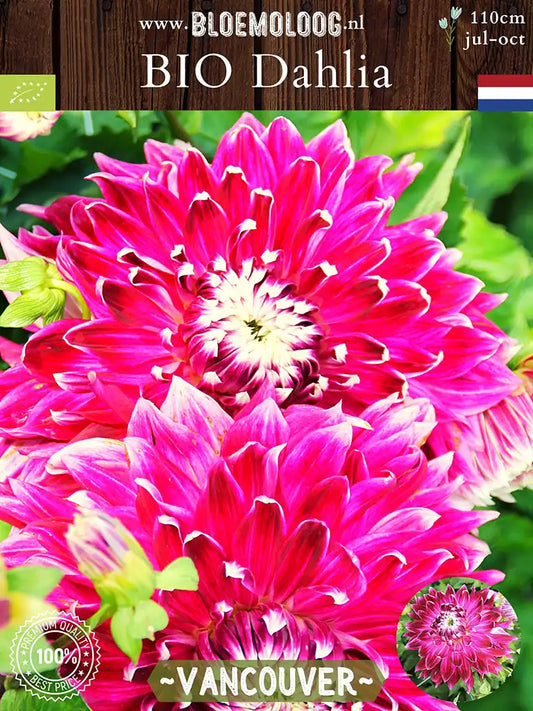
- Decorative dahlia – a classic type with medium-wide petals, ranging from medium-sized to very large flowers.
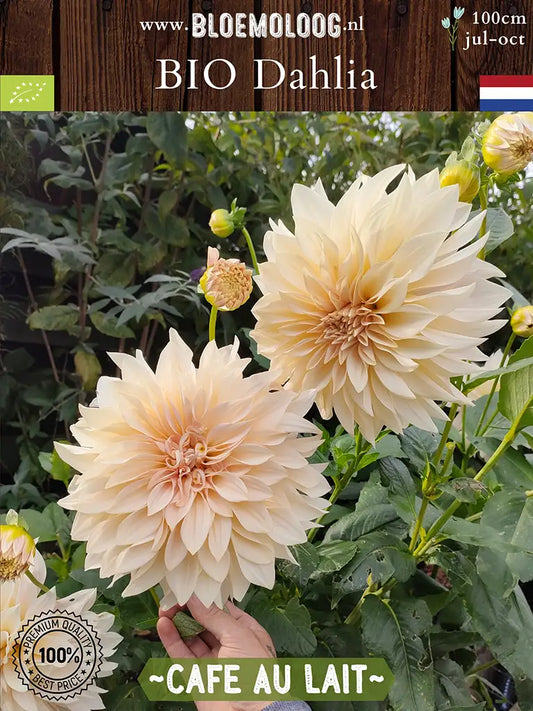
- Dinnerplate dahlia – very large-flowered, such as the well-known 'Cafe au Lait'
- Dark-leaved dahlia – leaves and flower stems are dark green to reddish and often more pointed. The Dahlia 'Waltzing Mathilda' is one of the four dark-leaved dahlias offered by Bloemoloog.
- Single-flowered dahlia – a flower formed by one or more rings of petals surrounding an open center.
- Fimbriata dahlia – many narrow petals with finely fringed edges, ranging from medium-sized to large flowers.
- Collarette dahlia – a flower with an open center, surrounded by a collar of narrow upright petals and an outer ring of standard petals.
- Orchid dahlia (star-shaped) – a star-like flower formed by a few narrow petals.
- Peony dahlia – open-centered dahlias with one or two rings of petals.
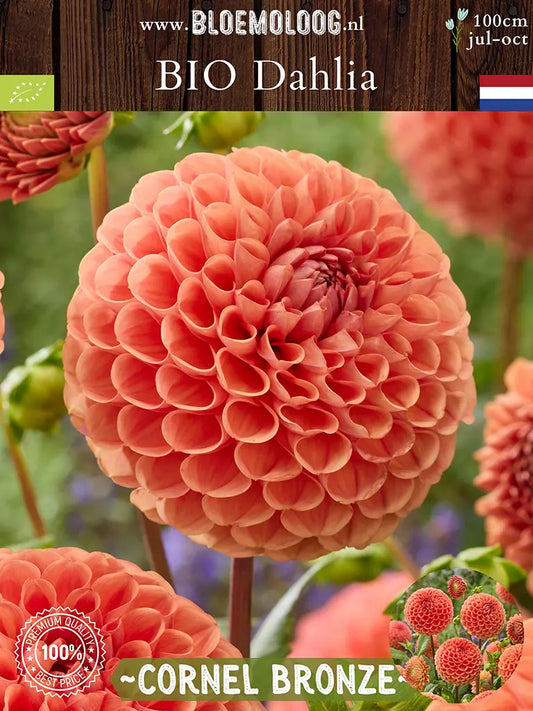
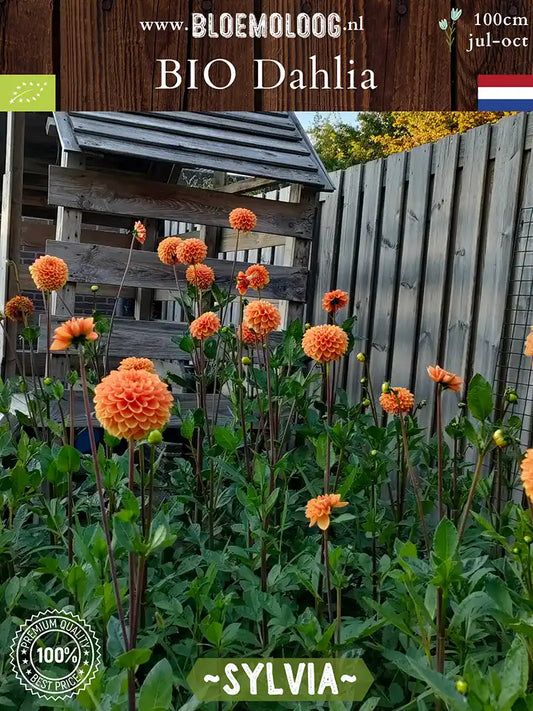
- Pompon dahlia – small, round flowers formed by tightly rolled petals, such as the bronze-colored 'Cornel Bronze'.
- Semi-cactus dahlia – pointed, rolled petals similar to cactus dahlias, but with a fuller flower shape.
- Waterlily dahlia – a classic type with medium-wide petals, whose outer petals curve back less than those of decorative dahlias.
How to plant dahlias
Starting indoors
Dahlias are not winter-hardy. From March onwards, the tubers can be started indoors. This gives the plants a head start in growth and results in earlier flowering. After the last frost (around mid-May), the plants can be moved outdoors. In good weather this may be earlier, but beware of night frost.
Planting outdoors
If you choose to wait until after frost to plant the dahlia tubers, this can be done up to mid-May. From that point onward, the tubers can safely be planted outdoors and will flower approximately 60–90 days later.
Plant the tuber with the old flower stem from the previous year facing upwards, about 2–3 cm below the soil surface, and keep a spacing of approximately 50 cm between tubers.
The planting season runs until the end of June.
Where to plant dahlias
Dahlias prefer a sunny position in nutrient-rich, well-draining soil, ideally a lime-rich sandy soil.
For container planting, choose a pot with a minimum diameter of 40 cm to prevent the soil from drying out too quickly in summer.
Pinching dahlias
Pinching is a technique used to stimulate growth and create a more compact, bushier plant. Dahlias are pinched when they are in active growth. We recommend allowing at least 2 to 4 pairs of leaves to develop before pinching.
A leaf node is the point where a leaf attaches to the stem. Locate the uppermost leaf pairs and use sharp, clean pruning shears to cut the stem just above a leaf node. If flower buds are present below the cut, they may also be removed. This encourages the plant to direct more energy into developing side shoots, resulting in a more floriferous plant.
Dahlia care
Keep the soil around dahlias consistently moist. Soil that is too dry can cause problems with growth and flowering. During flowering, remove spent blooms to encourage continuous flowering. Dahlias bloom until the first night frost. After frost, cut the plant back to ground level. Tubers planted in the ground should be protected with leaves during winter against light frost. In severe frost, they should be stored frost-free in a dry location. Lifting the tubers also allows them to be divided each year. Feed the plants several times per season for optimal results, as dahlias are fast-growing and nutrient-hungry plants.
Overwintering dahlias
Under good conditions, dahlias bloom until the first frost. Store the tubers during winter in a frost-free, unheated, and well-ventilated place. Wrap the tubers in paper such as newspaper or store them in the paper or jute bag provided at purchase. This helps prevent the tubers from drying out due to air circulation.
Propagation
In autumn, the tubers continue to grow and develop well. Do not lift the tubers too early for propagation; the best time is just before the first frost. The tubers can be divided immediately or in spring. The advantage of dividing in spring is that the growth points are already visible, making it easier to determine where to split the tuber.
Buy organic dahlia tubers?
Looking for dahlias with striking and unusual foliage? Then our dark-leaved dahlias are exactly what you are looking for.
Dahlia tubers are available throughout spring at one of our markets. Online, dahlias can be purchased from January through June at Bloemoloog.nl.


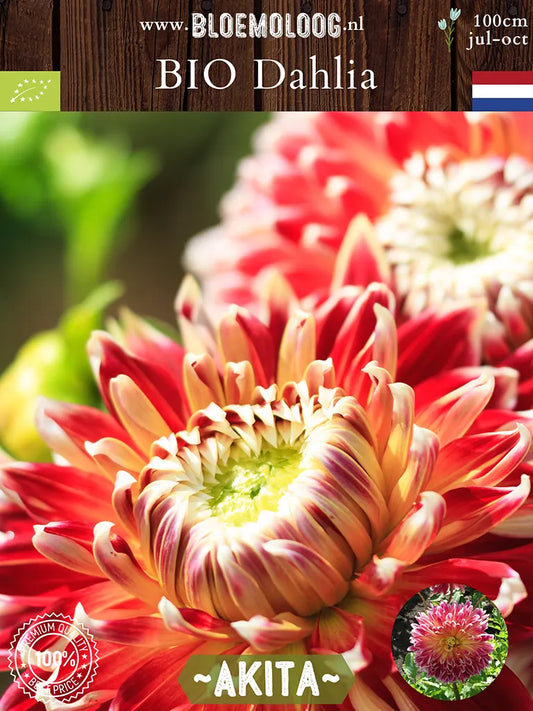 Sold out
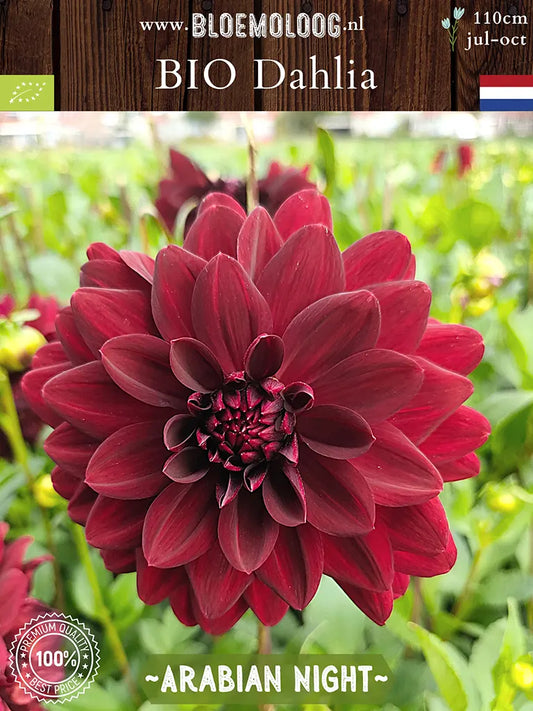 Sold out
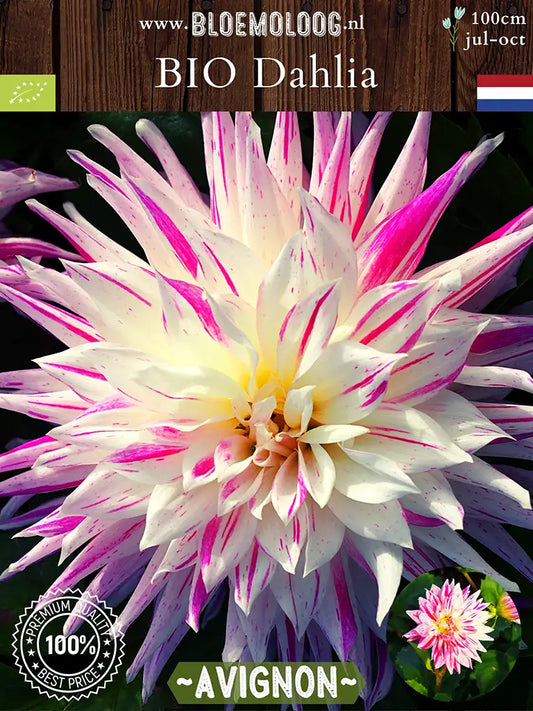 Sold out
 Sold out
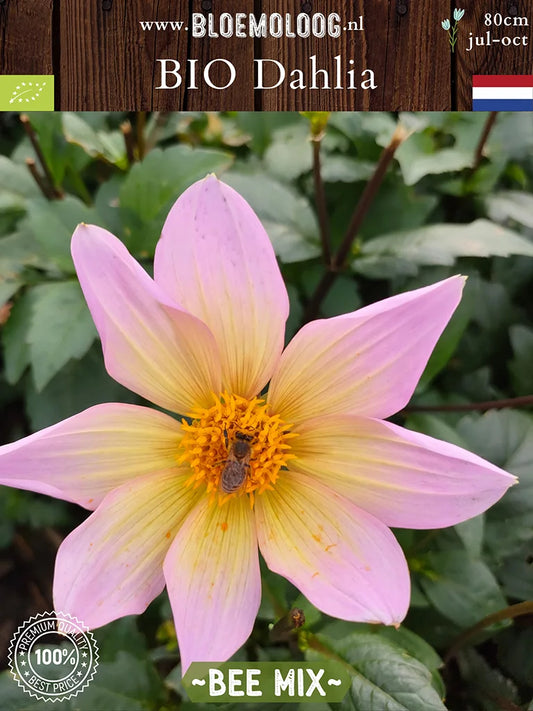 Sold out
 Sold out
 Sold out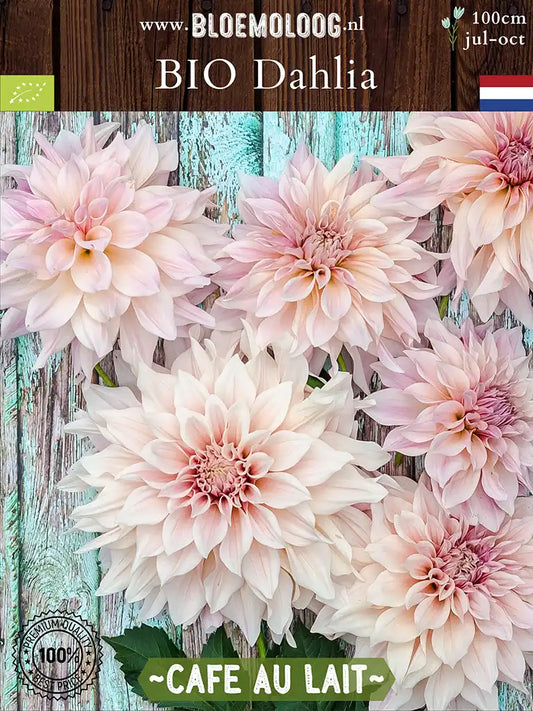
 Sold out
 Sold out
 Sold out
 Sold out
 Sold out
 Sold out
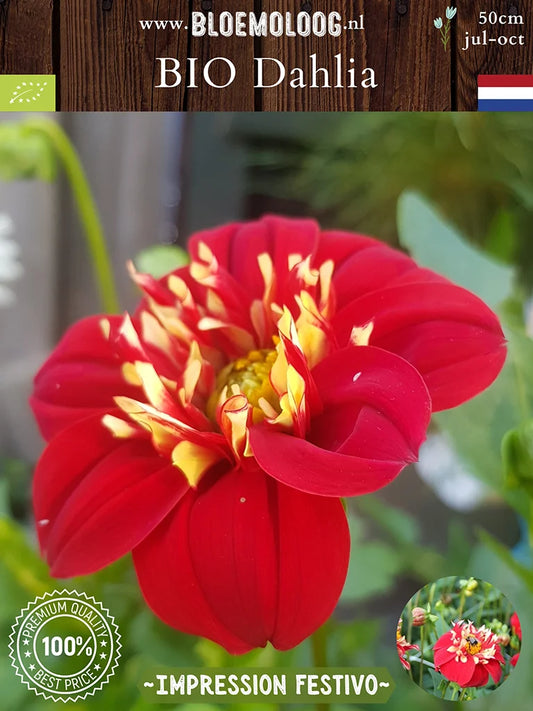 Sold out
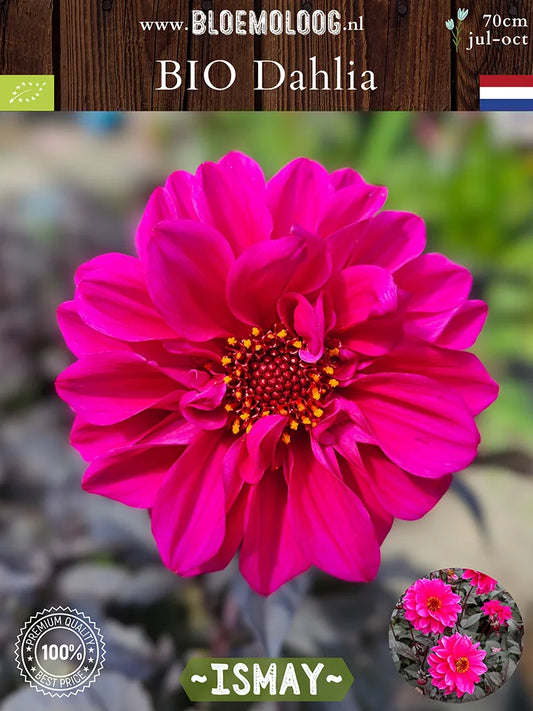 Sold out
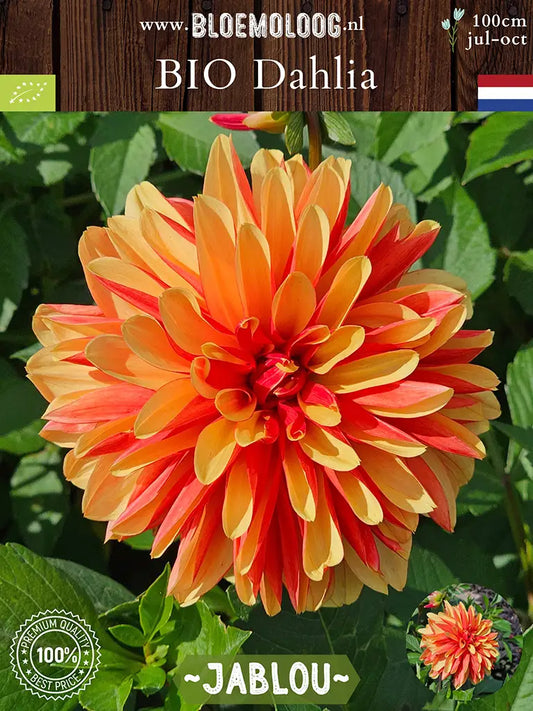 Sold out
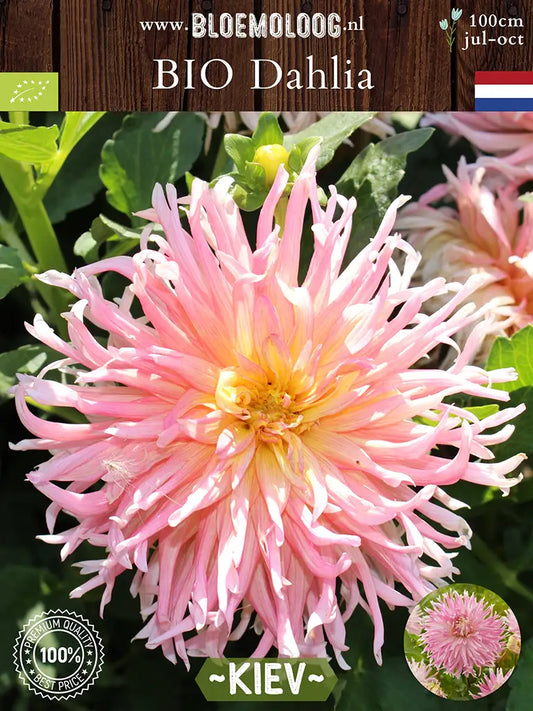 Sold out
 Sold out
 Sold out
 Sold out
 Sold out
 Sold out
 Sold out
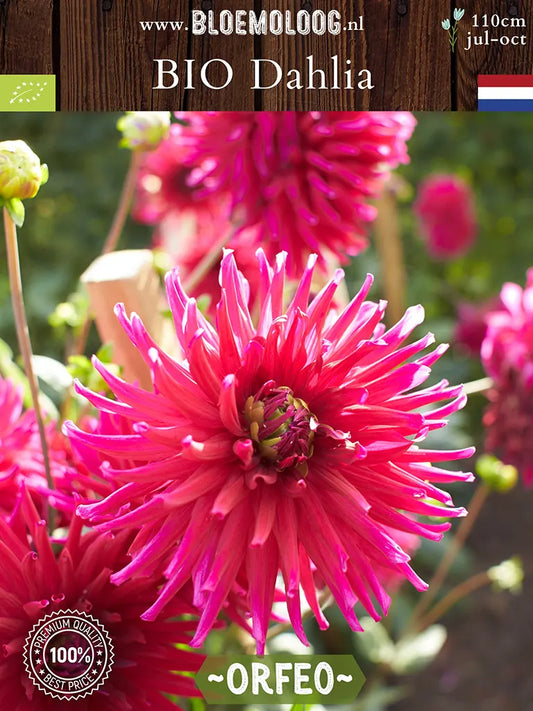 Sold out
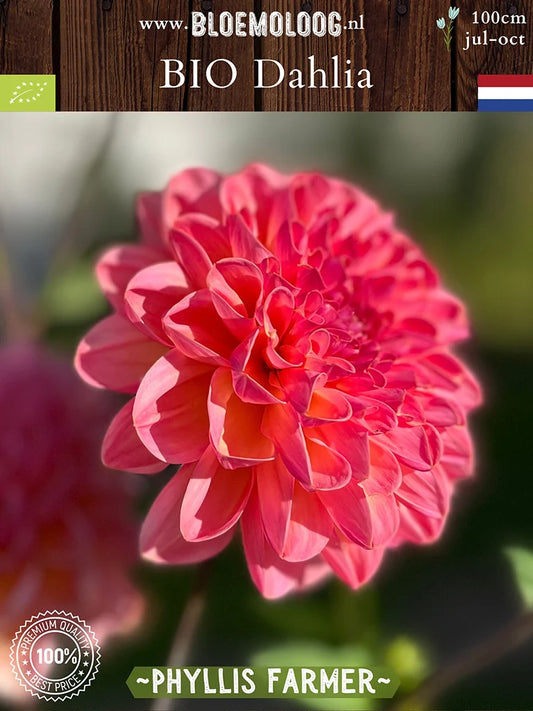 Sold out
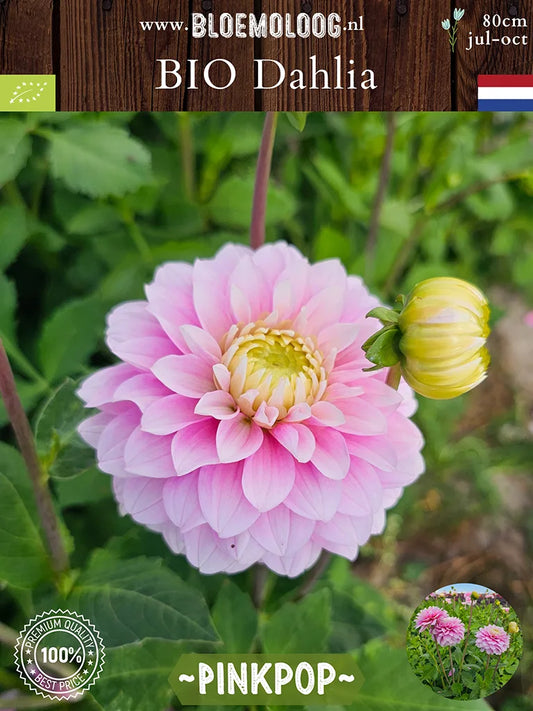 Sold out
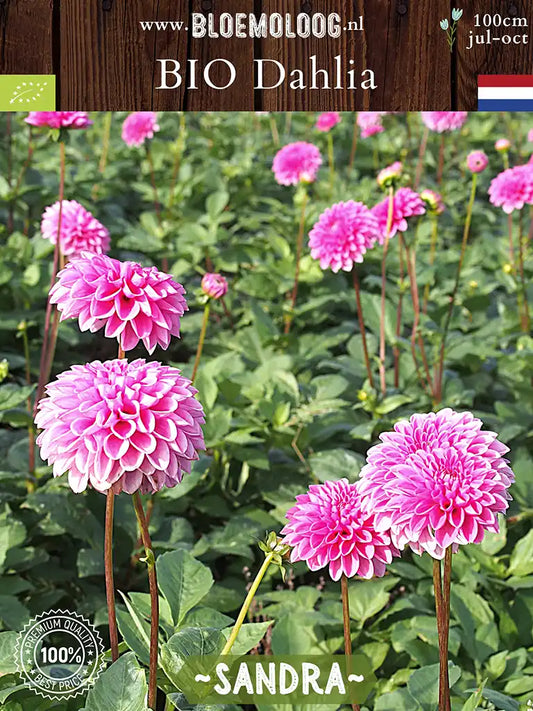 Sold out
 Sold out
 Sold out
 Sold out
 Sold out
 Sold out
 Sold out